
DOCUMENTARY SERIES | 8 x 52 MIN. | CANADA | PRODUCTION · 2026
Languages: English, Spanish, Portuguese, French, Italian, Marathi, Gujarati, Nepali, Bengali, Hindi, Thai, Shan, Karen, Tai Sam, Guarani, Ticuna, Enlhet, Ayoreo, Nivaclé, Aymara, Afrikaan, Xhosa, Pidgin, Kinyarwanda, Runyankole, Luganda, Lusoga, Amharic, Afan Oromo, Gedeuffa
Subtiles: English
A Common Good
A Public Trust
A Human Right
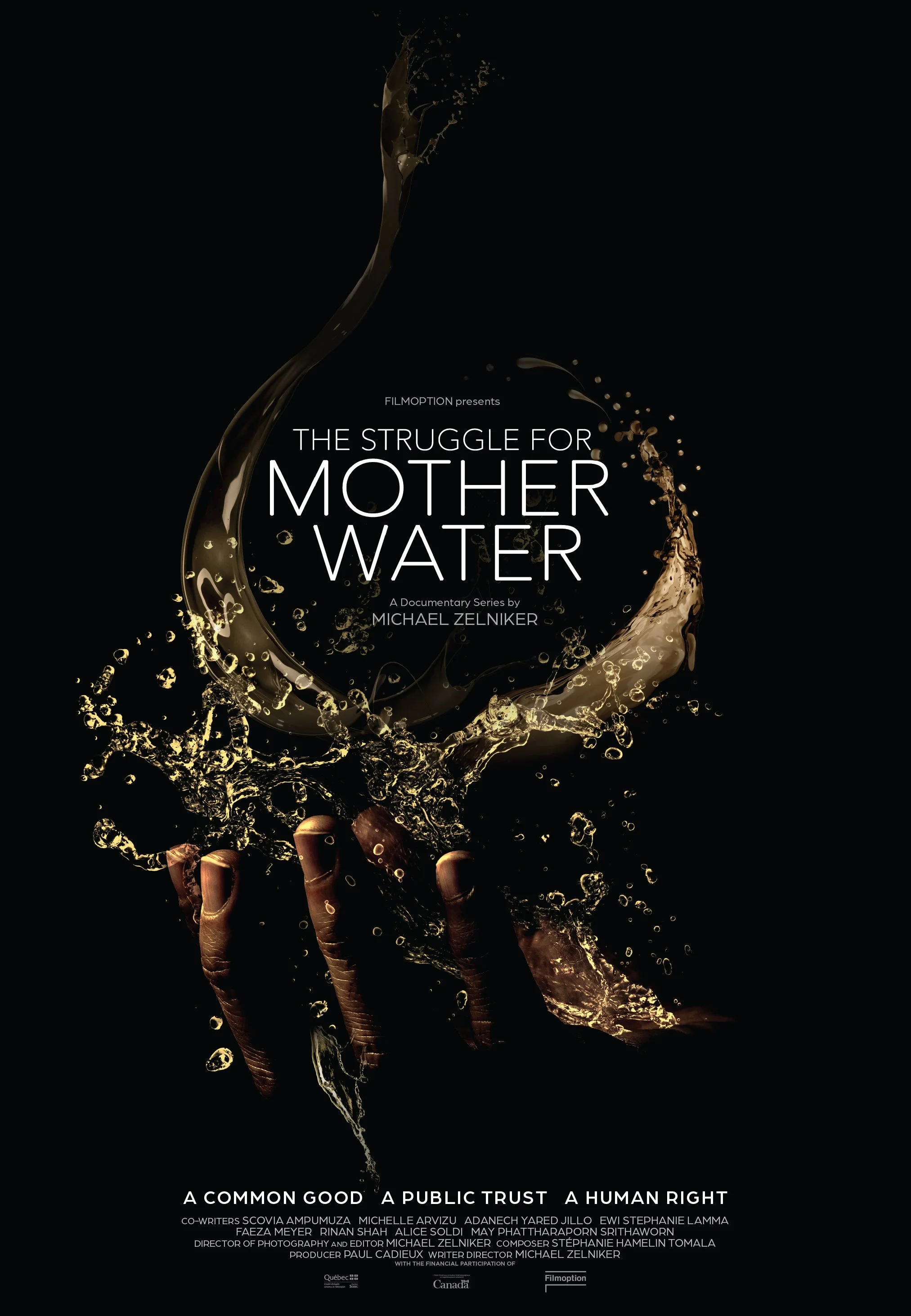
The Struggle for Mother Water explores the many disturbing dimensions of the global water crisis, how women worldwide are leading a determined, inspiring fight to protect and defend water - for their families, their communities, for all of life.
Writer & Director · Michael Zelniker
Co-writters · Scovia Ampumuza, Michelle Arvizu, Adanech Yared Jillo, Ewi Stephanie Lamma, Faeza Meyer, Rinan Shah, Alice Soldi, May Phattharaporn Srithaworn
Director of Photography · Michael Zelniker
Editor · Michael Zelniker
Original Music · Stéphanie Hamelin Tomala
Producer · Paul Cadieux, Filmoption Productions
« As the United Nations Special Rapporteur on the human right to safe drinking water and sanitation, I wish to express my most enthusiastic support for the documentary “The Struggle for Mother Water.” Water is the blue soul of life; of life in general, and especially of the life and coexistence of human communities. Furthermore, rivers are the veins and arteries that sustain life on islands and continents. This beautiful documentary offers us testimonies and experiences of people in their relationship with the water and rivers on which they depend daily. The world deserves to see this documentary and reflect on the images and testimonies it presents. »
« Michael Zelniker in his new series The Struggle For Mother Water has created a masterpiece. The story of our planet’s freshwater heritage and our cavalier treatment of it is one of the most important of our time. One quarter of humanity does not have adequate access to clean water and half of us lack access to proper sanitation. Told largely through the eyes of women water defenders around the world, this documentary shows a way forward if we can just stop seeing water as a resource for our pleasure and profit and start understanding its sacred role in preserving all life. »
SYNOPSIS
Water is life. Without water, there is no life. Over 2 billion people globally—more than 25% of the world’s population—don’t have access to clean, safe drinking water, including one in five children. More than 3.6 billion people don’t have access to functional, reliable sanitation.
• 1,800 gallons of water are needed to produce one pound of consumable beef — 600 gallons for one hamburger.
• 700 gallons of water are required to produce the cotton for one t-shirt.
• 3,000 gallons of water are needed to produce a smartphone.
• Billions of gallons globally are required to cool the AI data centers of the future.
• Humans are made of approximately 70% water.
Experts predict that by 2030, demand for freshwater will exceed what’s available by 40%.
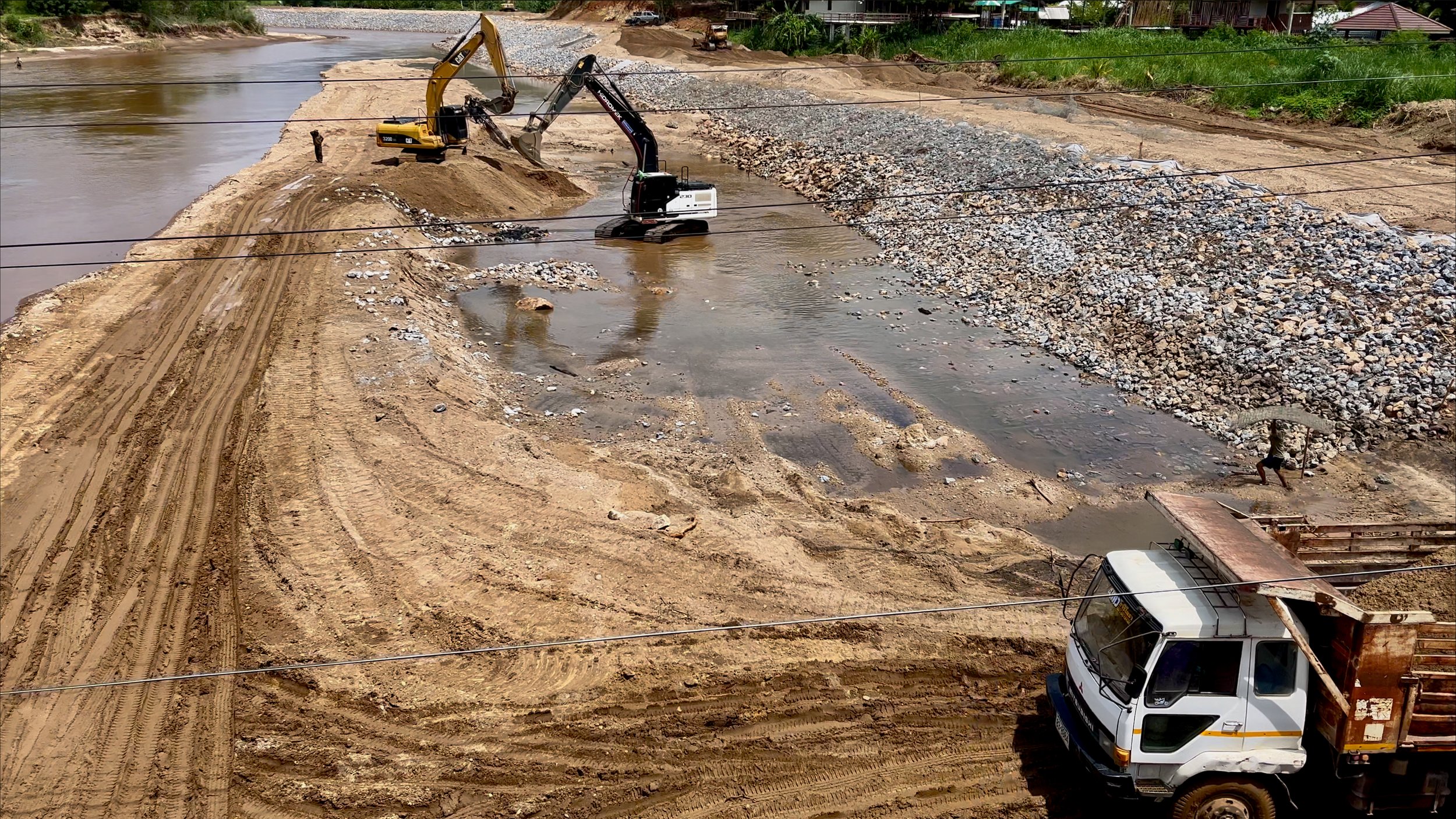
In 2010, the United Nations declared access to clean, safe drinking water and proper sanitation a human right. Water scarcity, sea level rise, industrial pollution, large-scale hydropower, deforestation, glacier and permafrost melt, climate-induced drought and flooding—the water crisis manifests in many forms. Industrial farming and unfettered extractive industrial exploitation contaminate freshwater sources. At the same time, those same market-driven forces claim the right to appropriate and commercialize water, bottling and selling it for enormous profit.
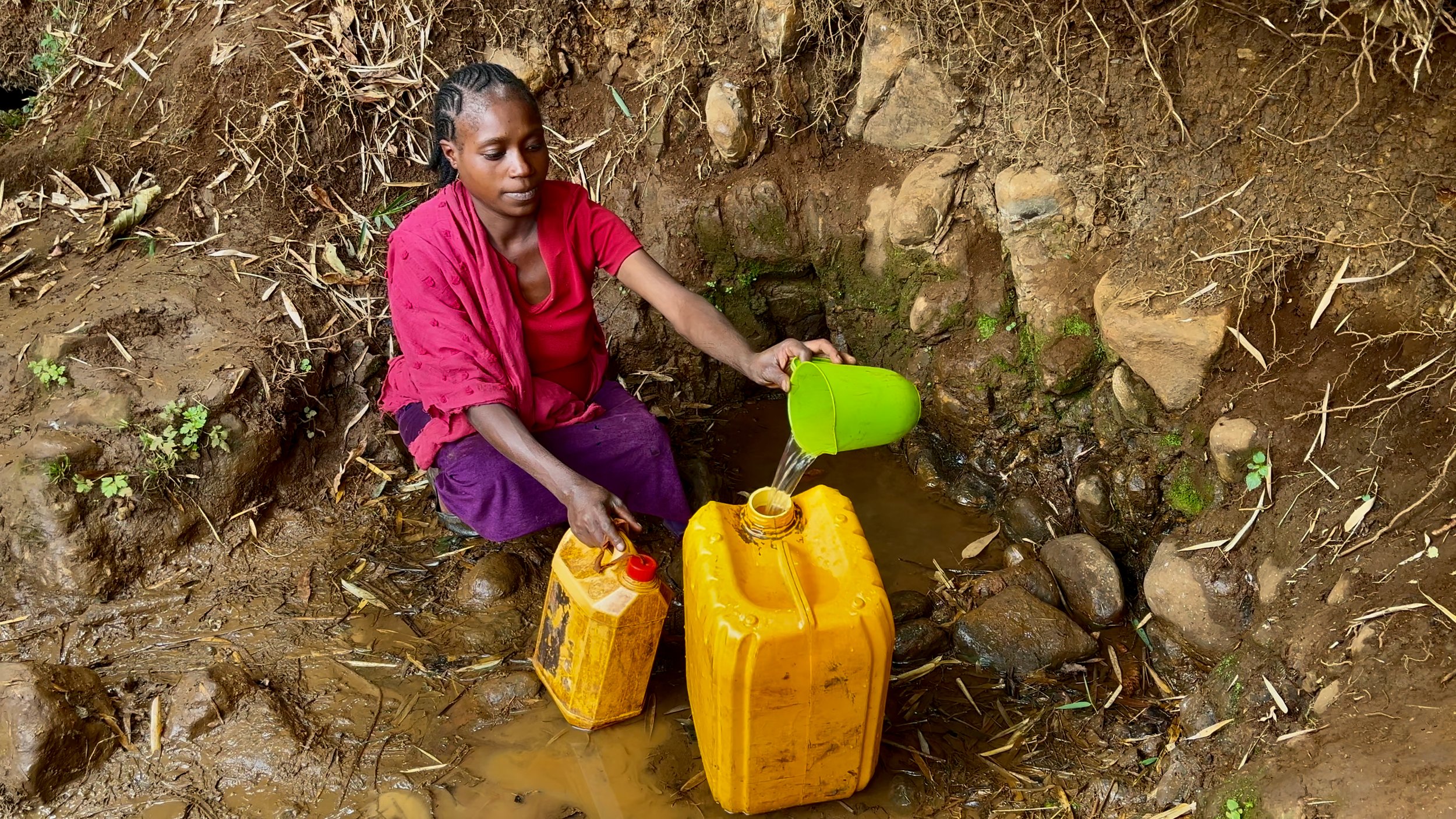
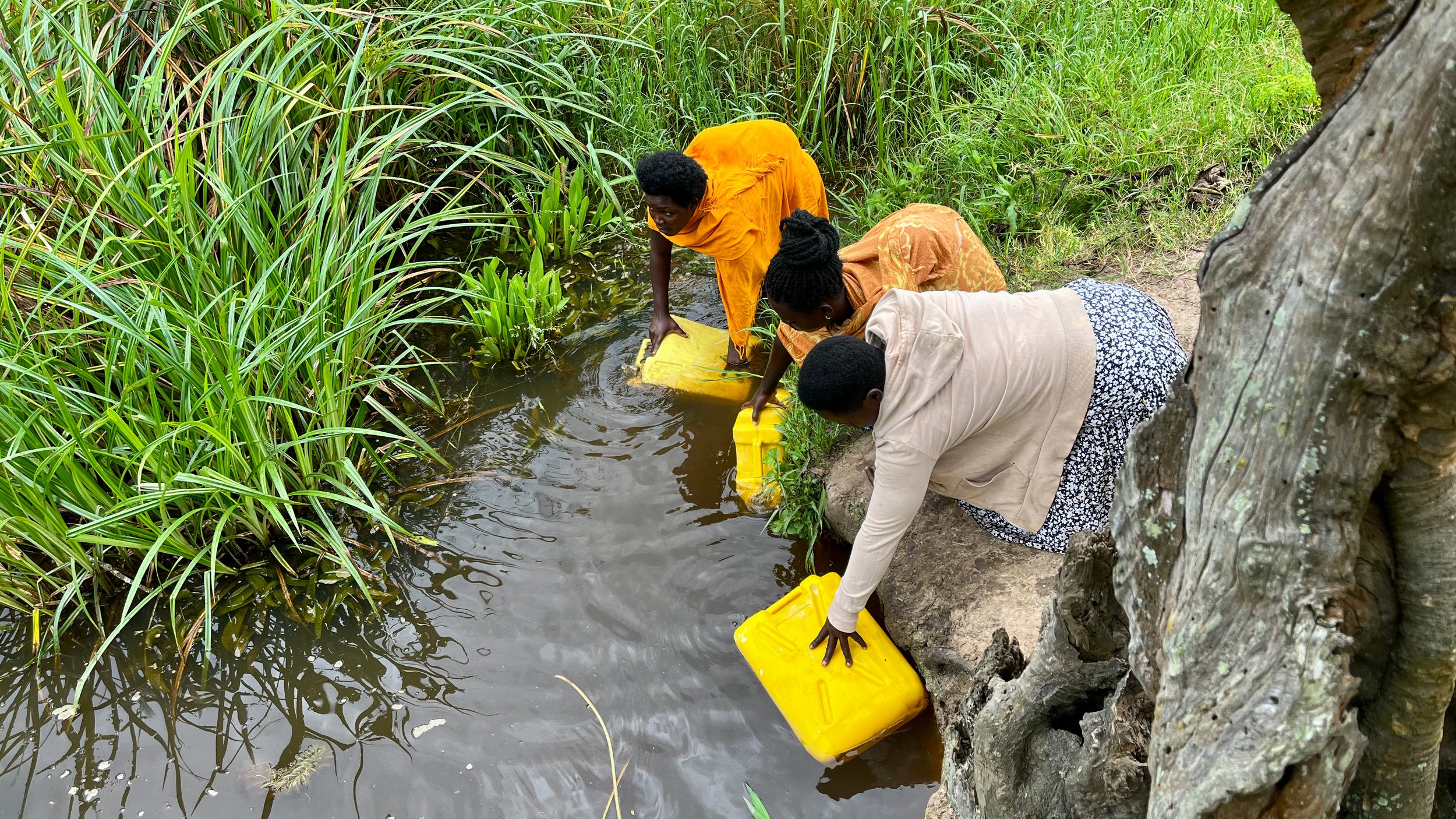
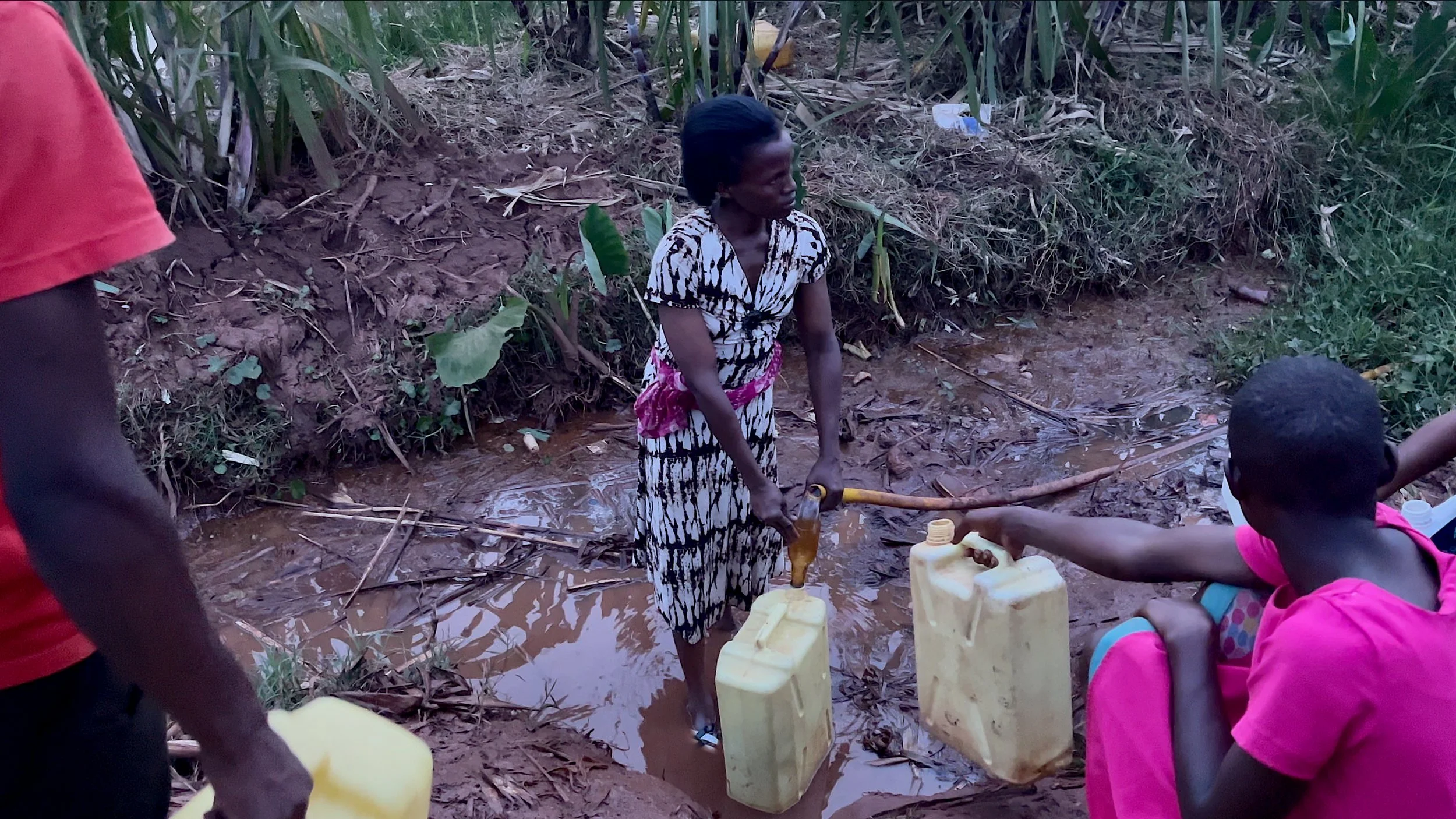
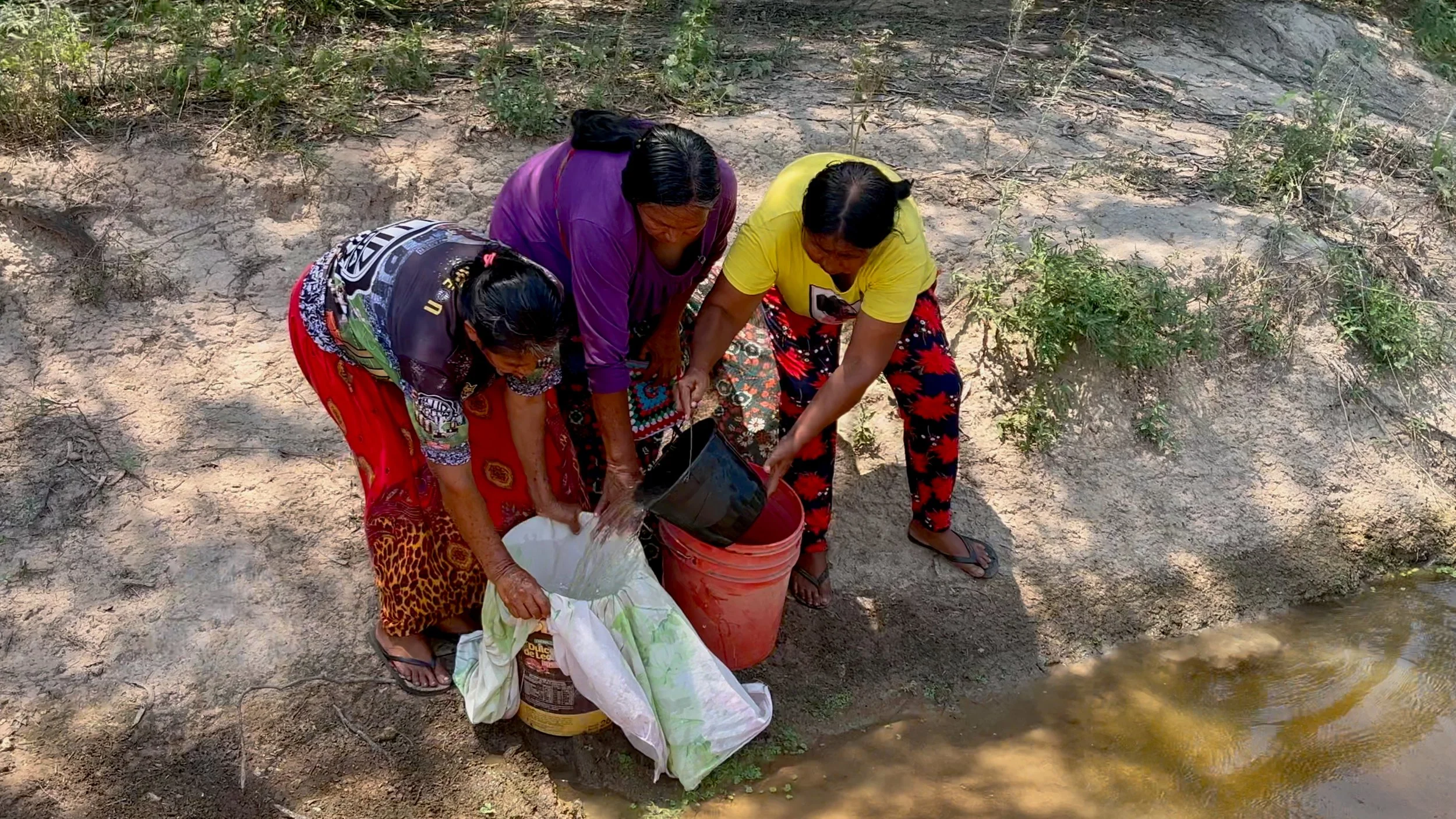
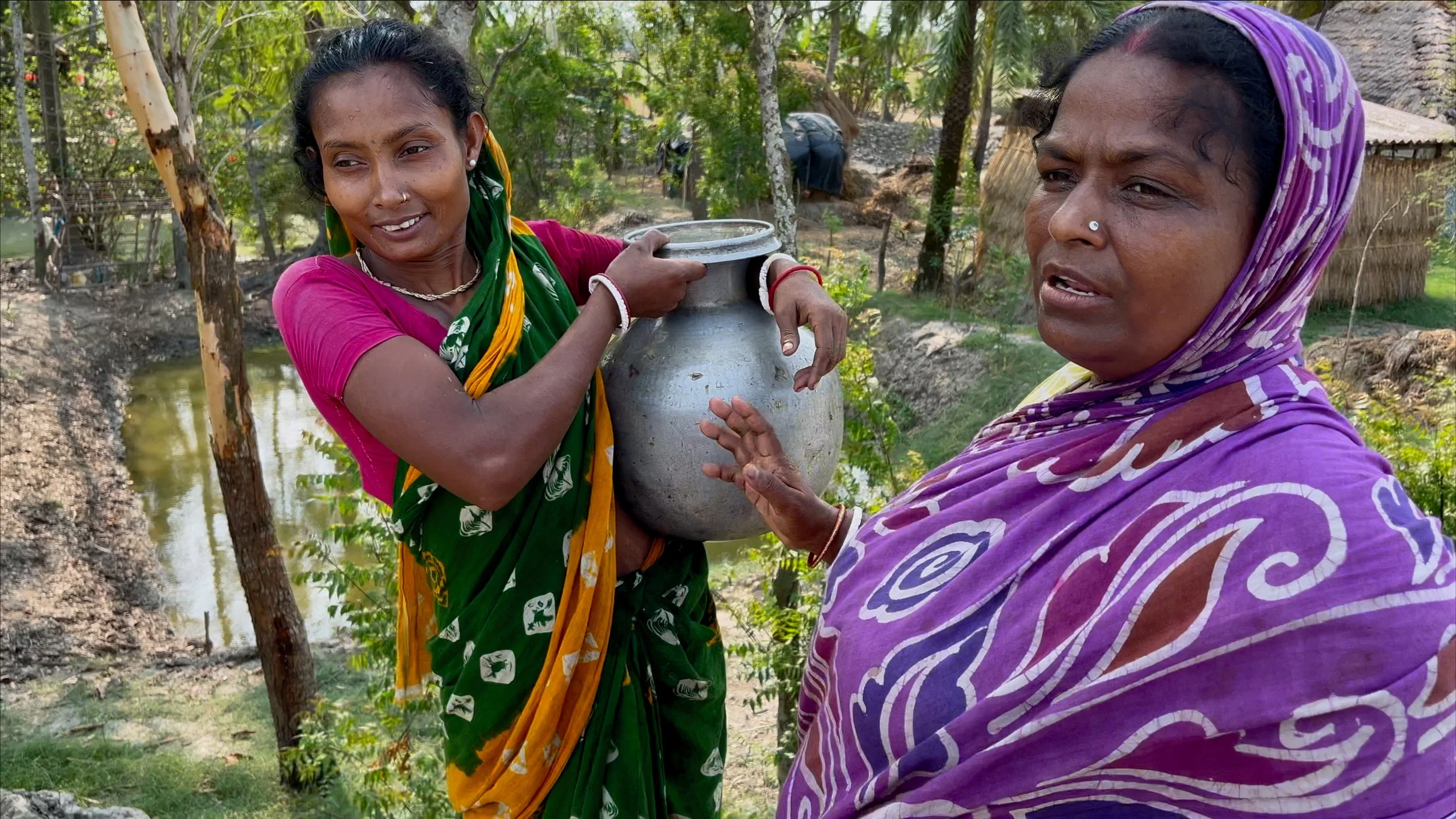
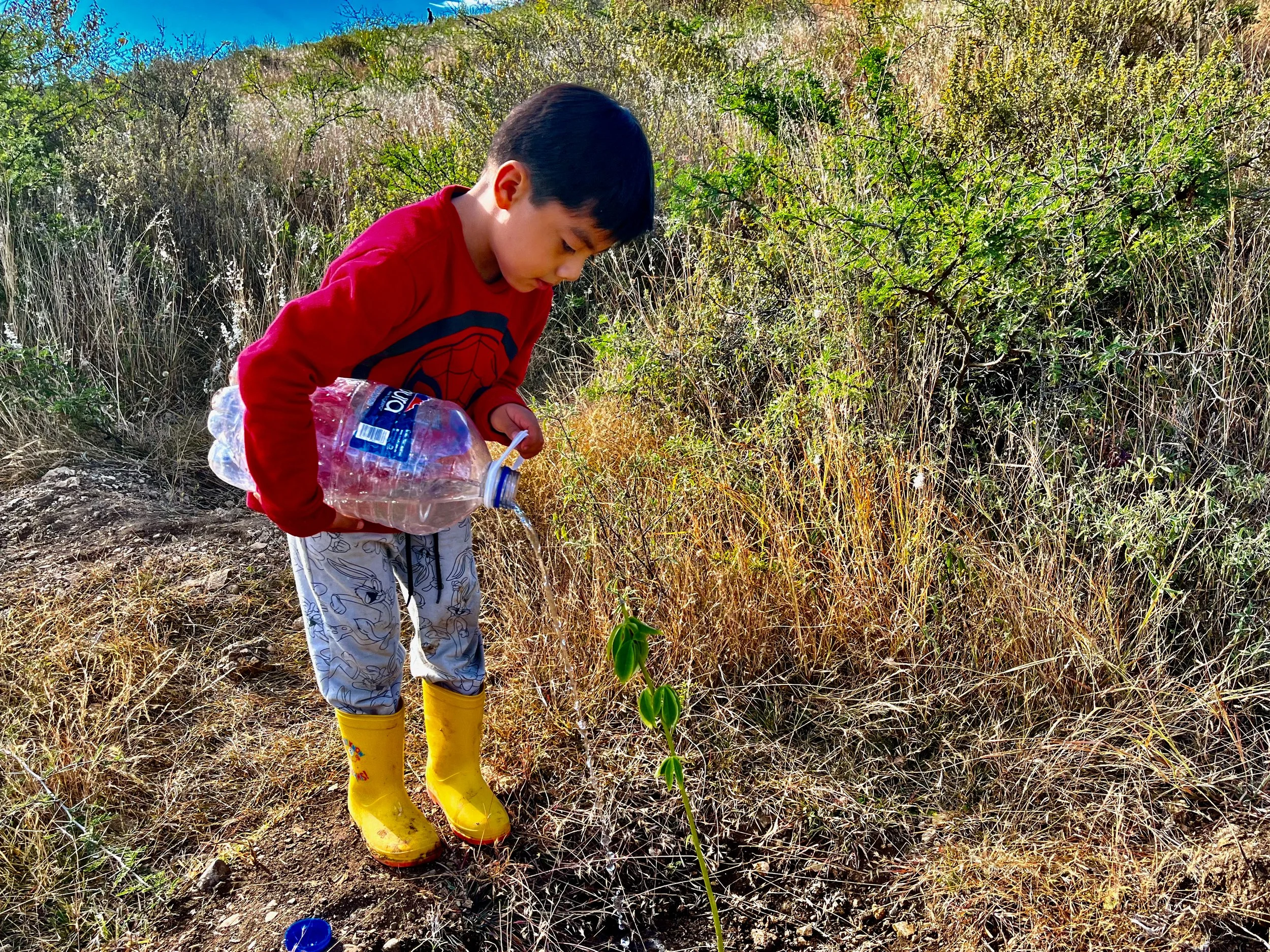
All over the world, women and girls spend 250 million hours every day fetching water, often walking long distances to access it, frequently finding polluted, tainted water as their only option. Women on the frontlines are fighting to protect and defend water, sustaining life for their families and communities, often at great risk to their own safety. The connection between women and water runs deep.
It is said that the wars of the 20th century were fought over oil, that the wars of the 21st century will be fought over water. Despite the odds being stacked against them, even as they struggle to meet the basic human needs of life—food, shelter, safety, dignity—women, compelled by the urgent call of water and life itself, bravely lead the fight to defend and protect it, seeking and finding solutions to the existential crises facing the natural world and the water that sustains it, straining the survivability of the human family and life as we know it on Planet Earth.
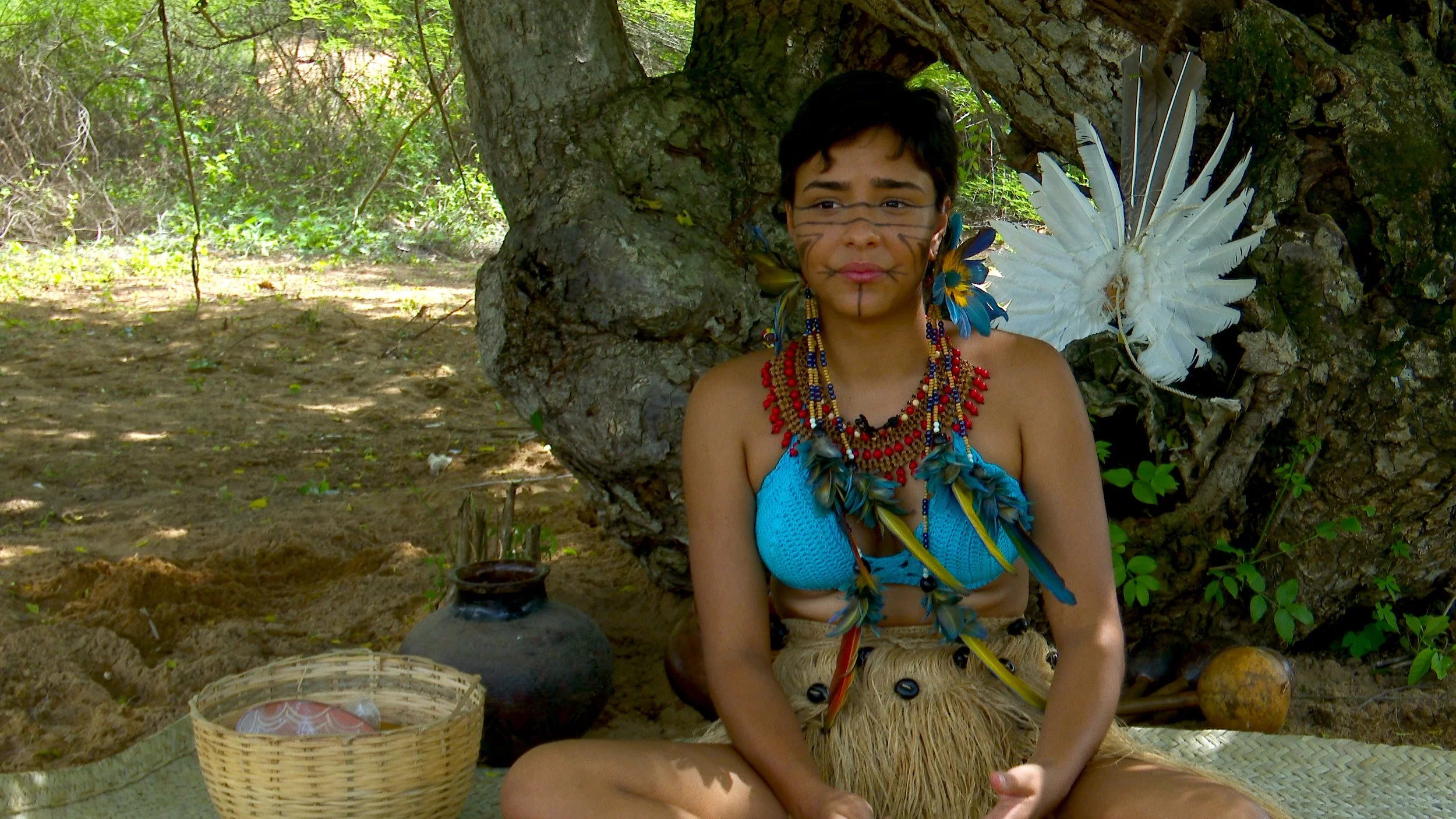
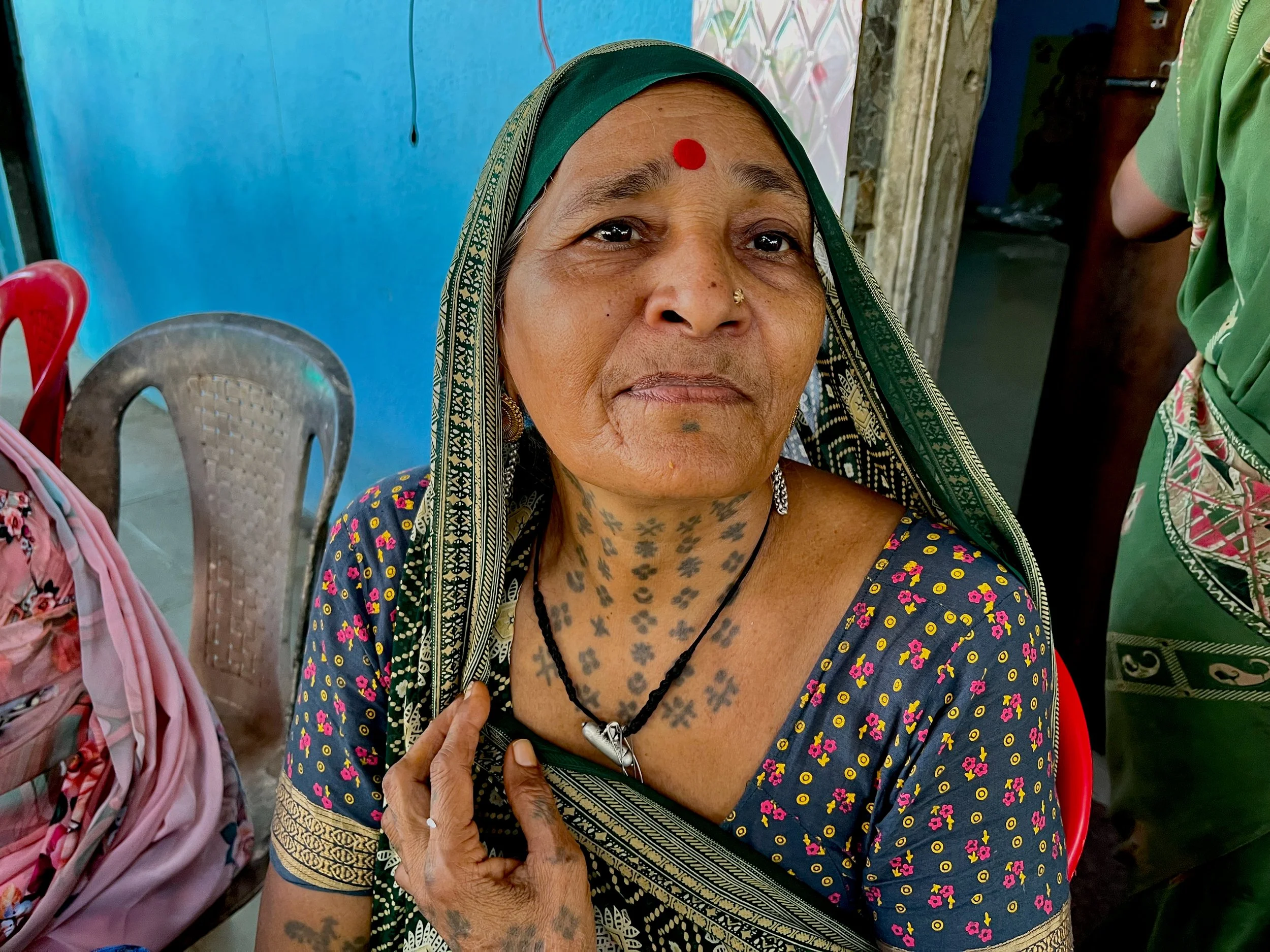
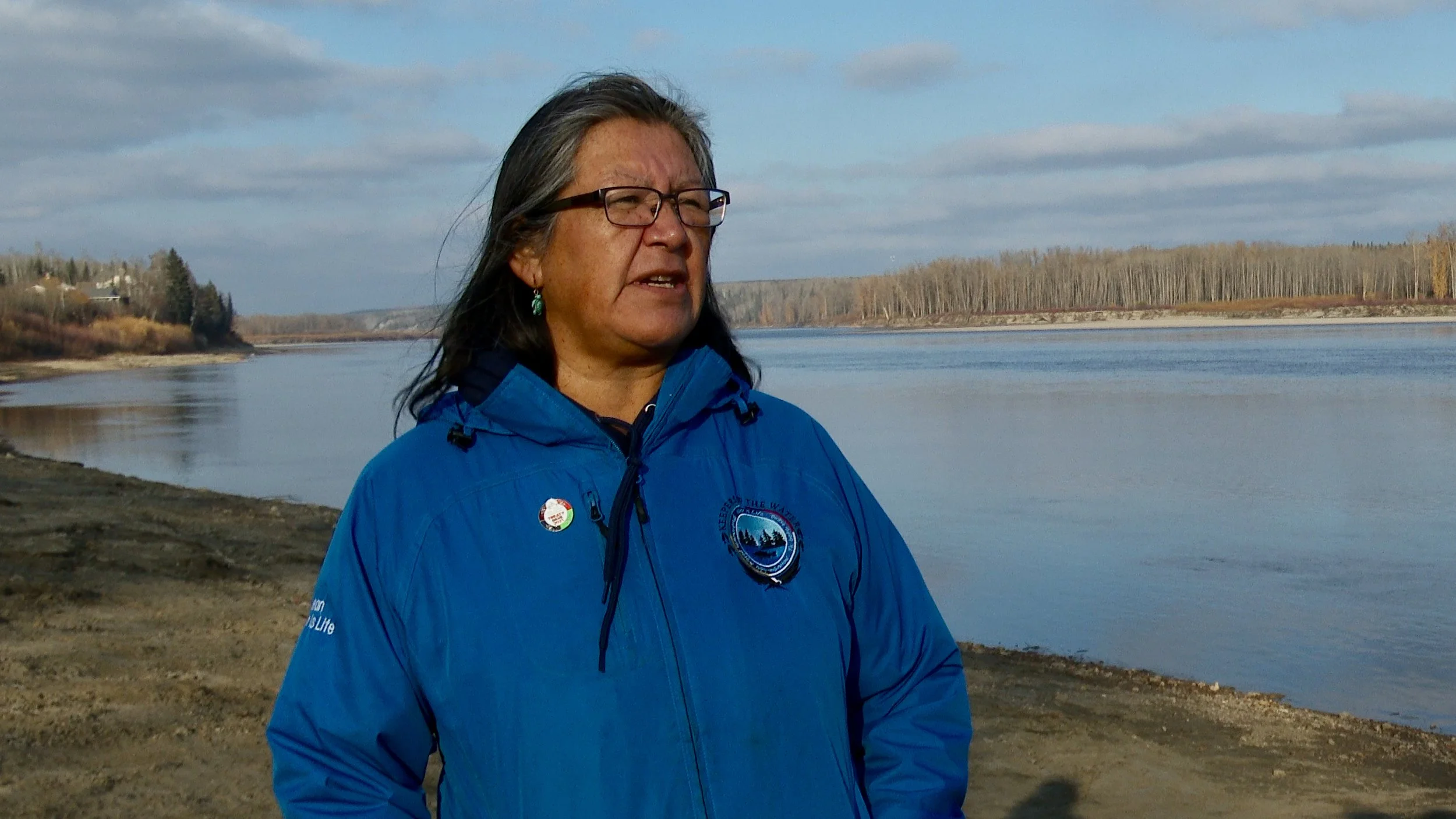
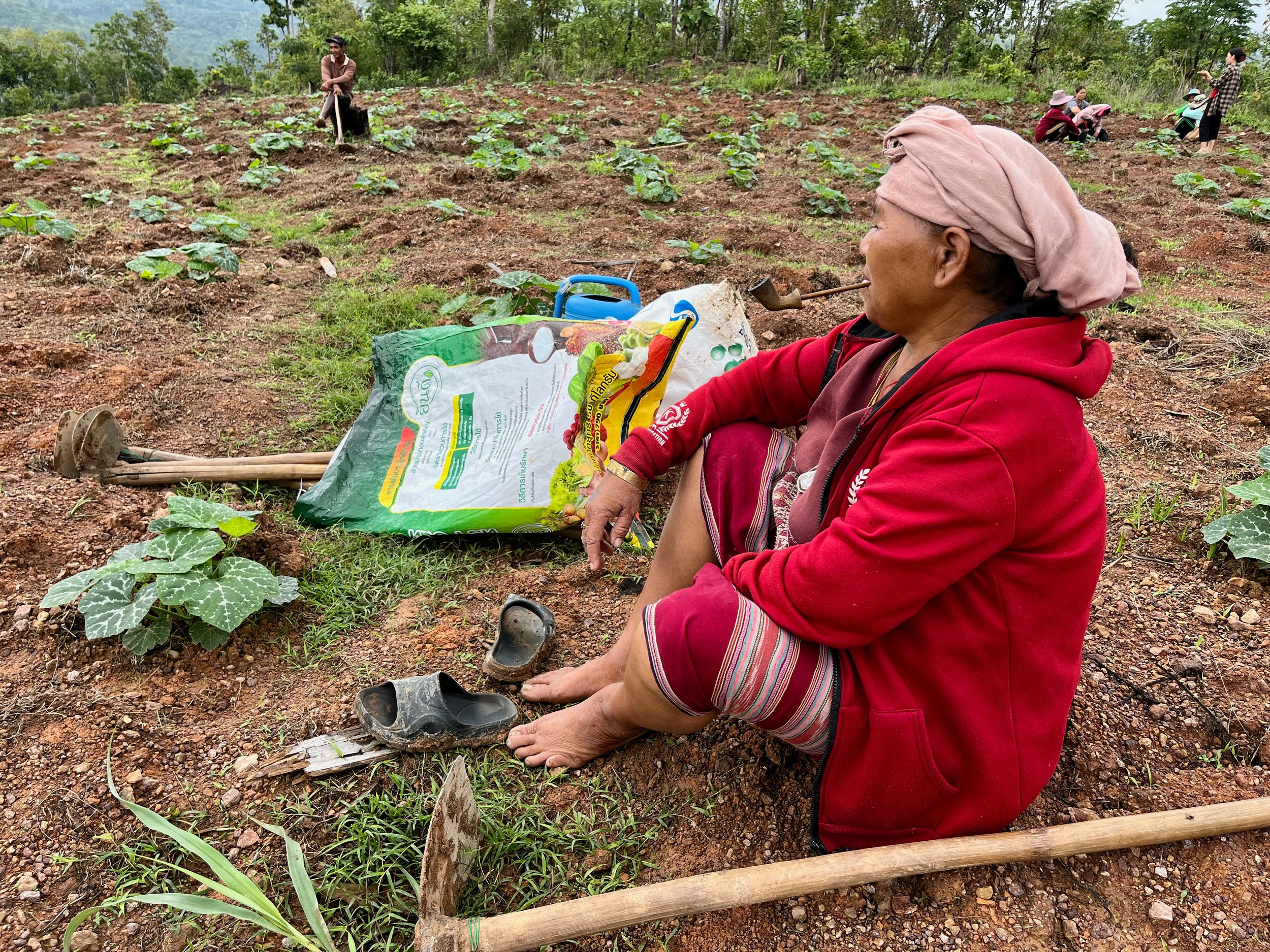
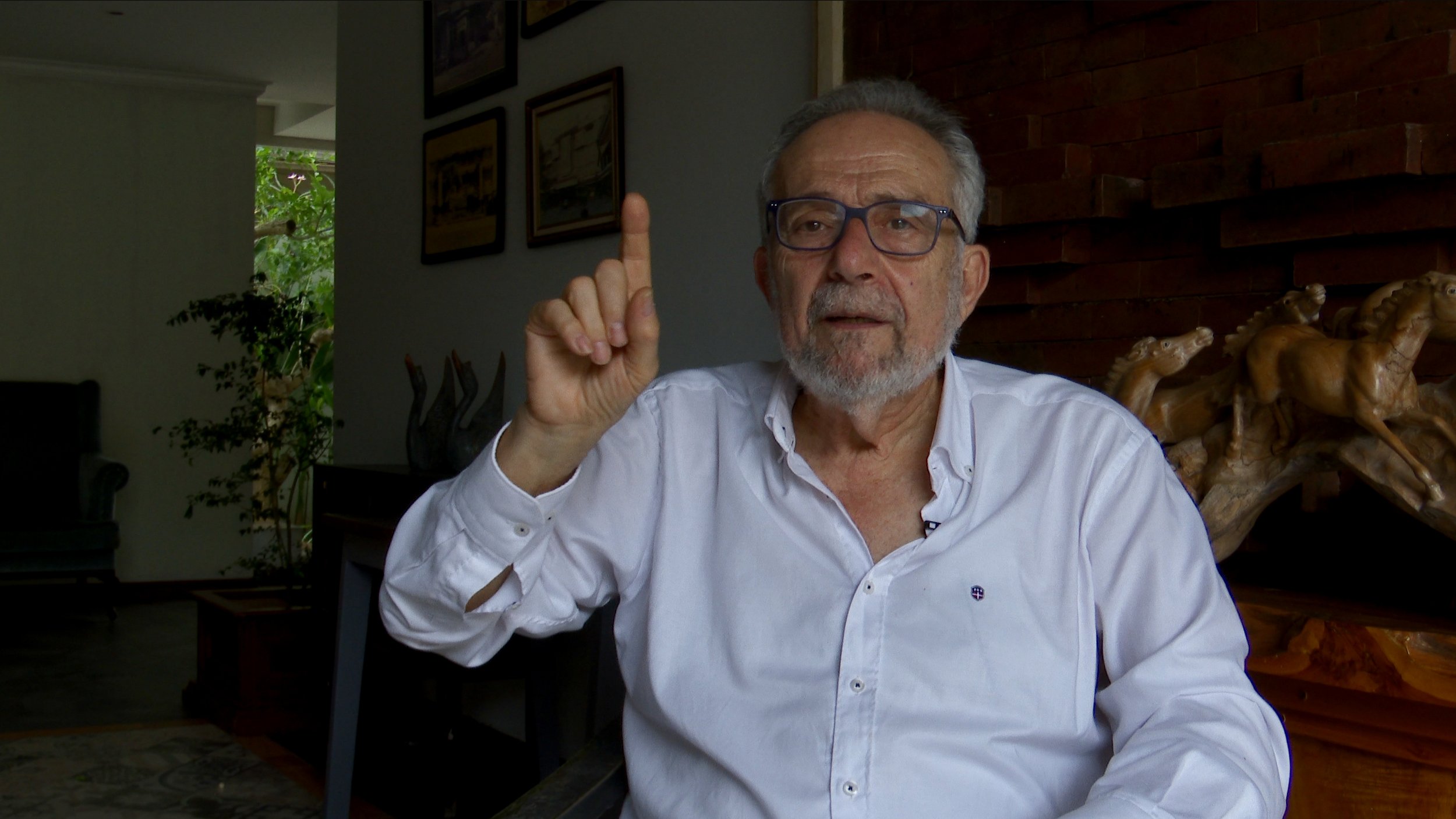
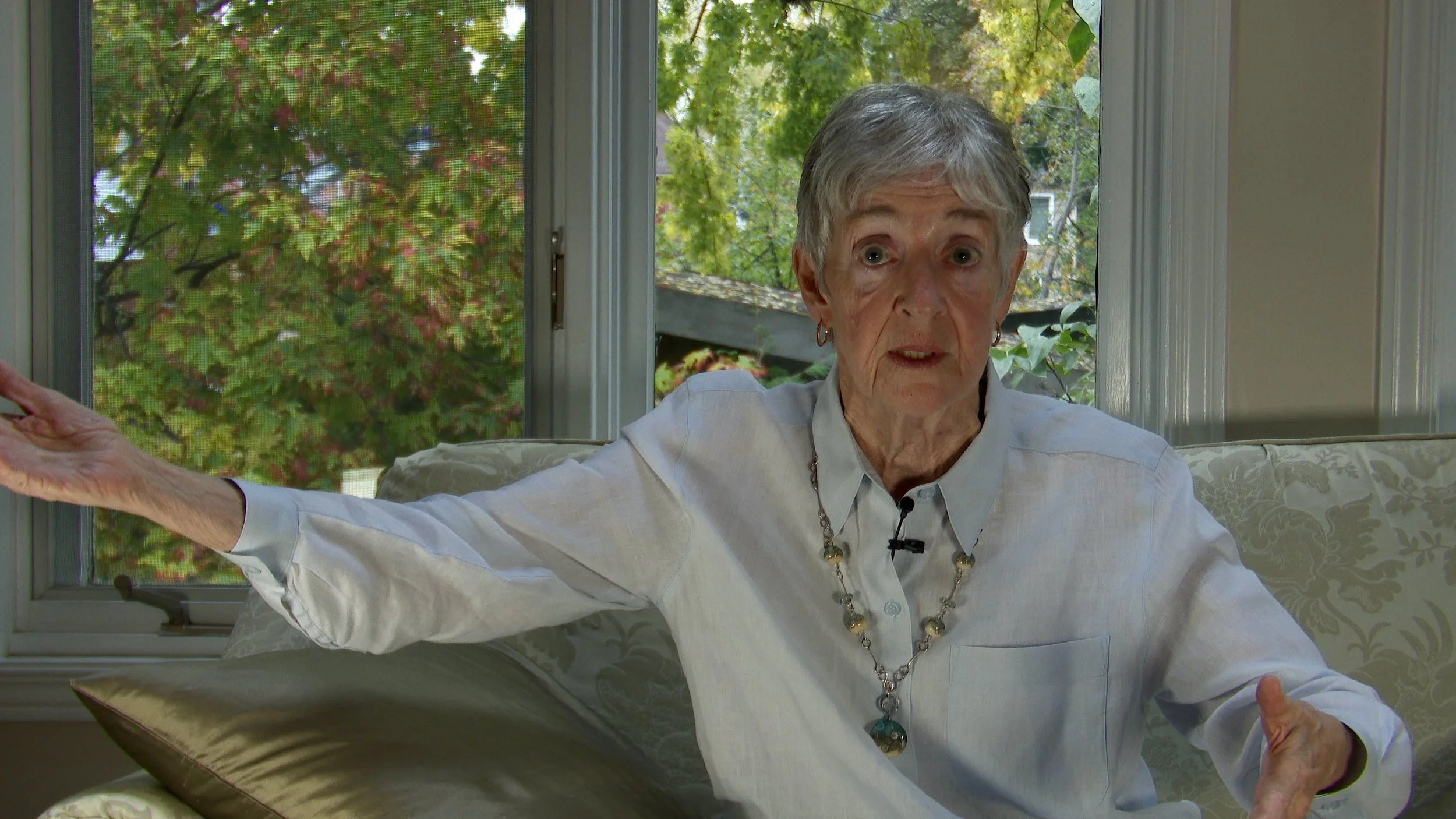
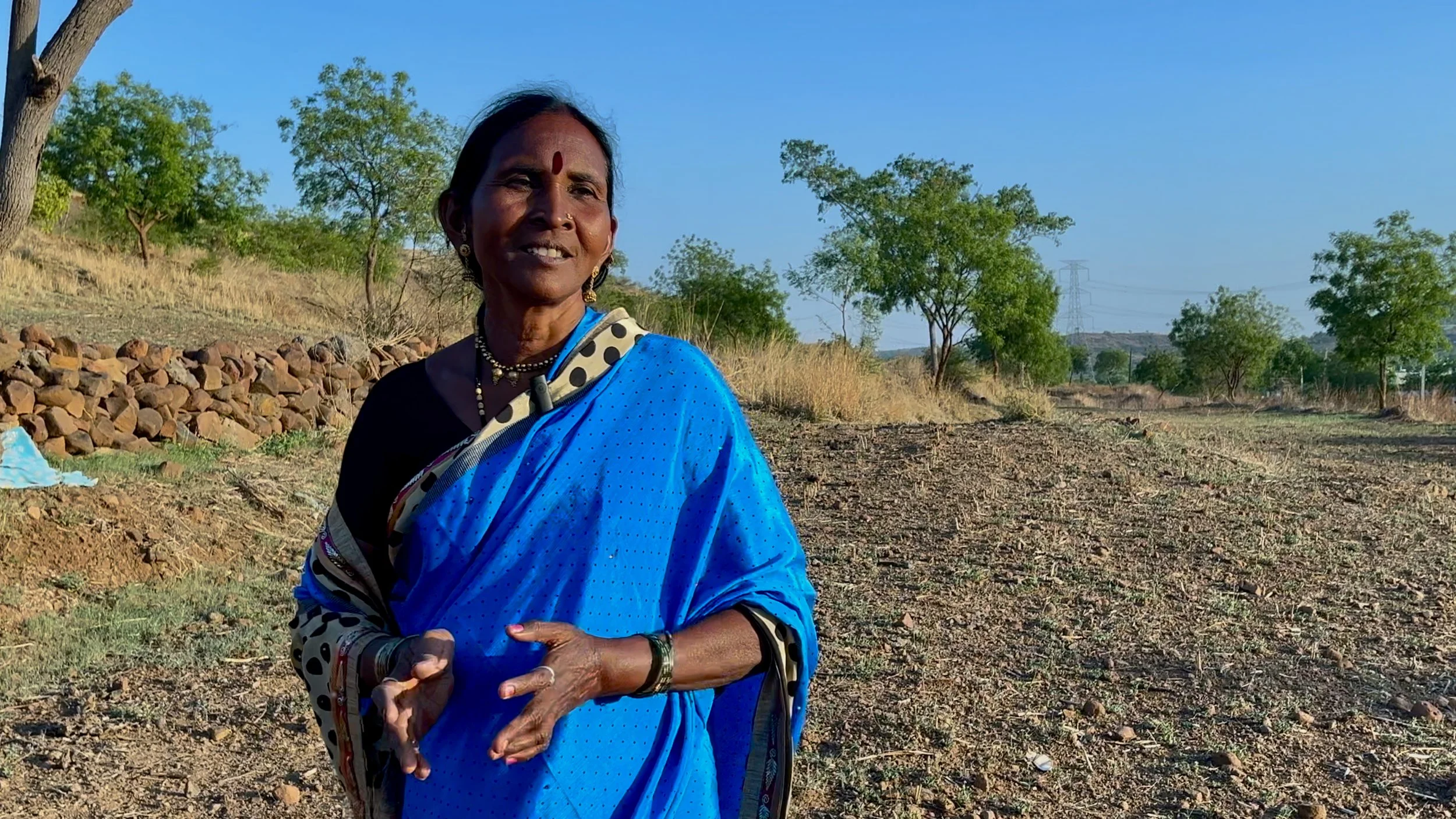
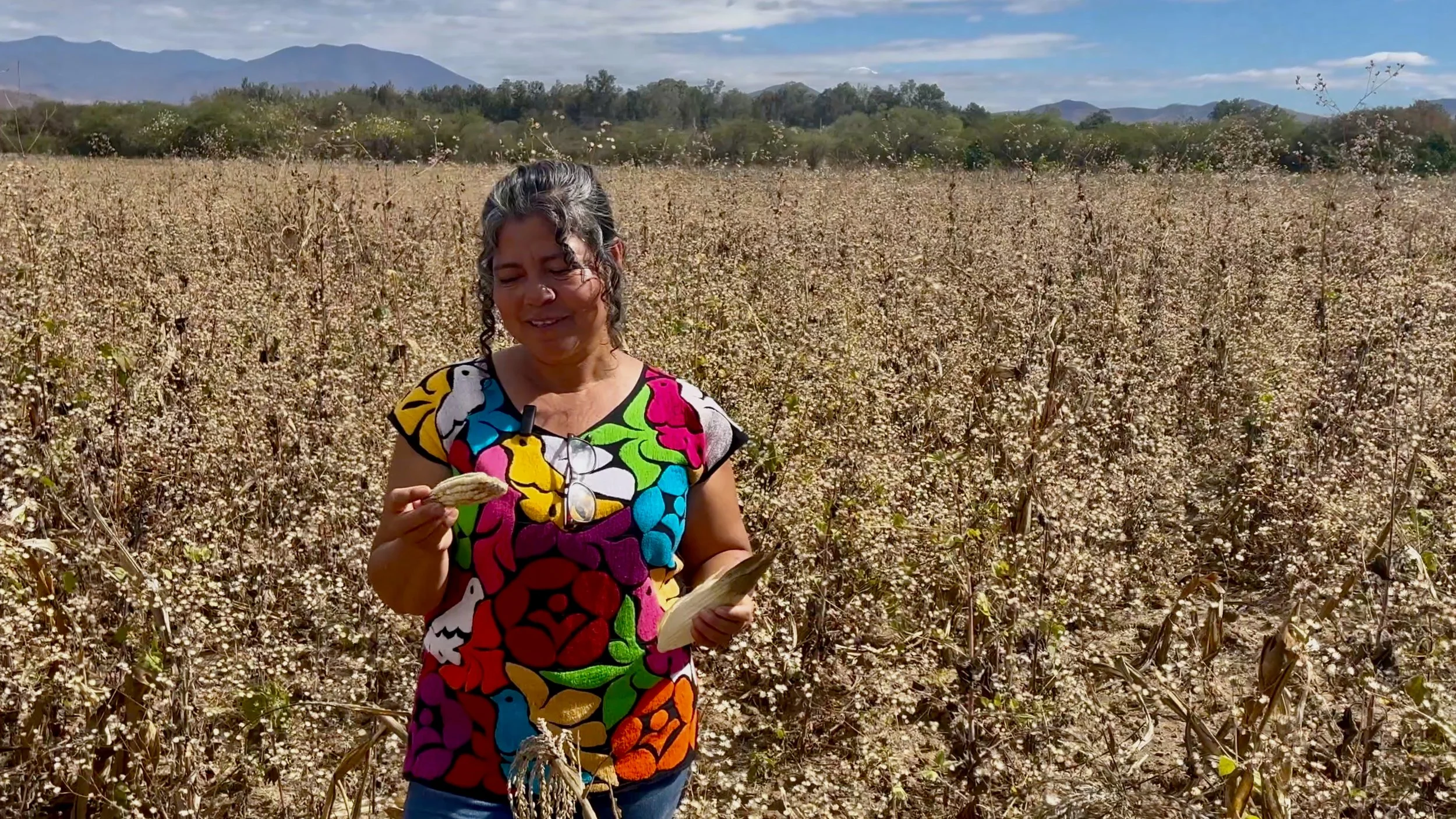
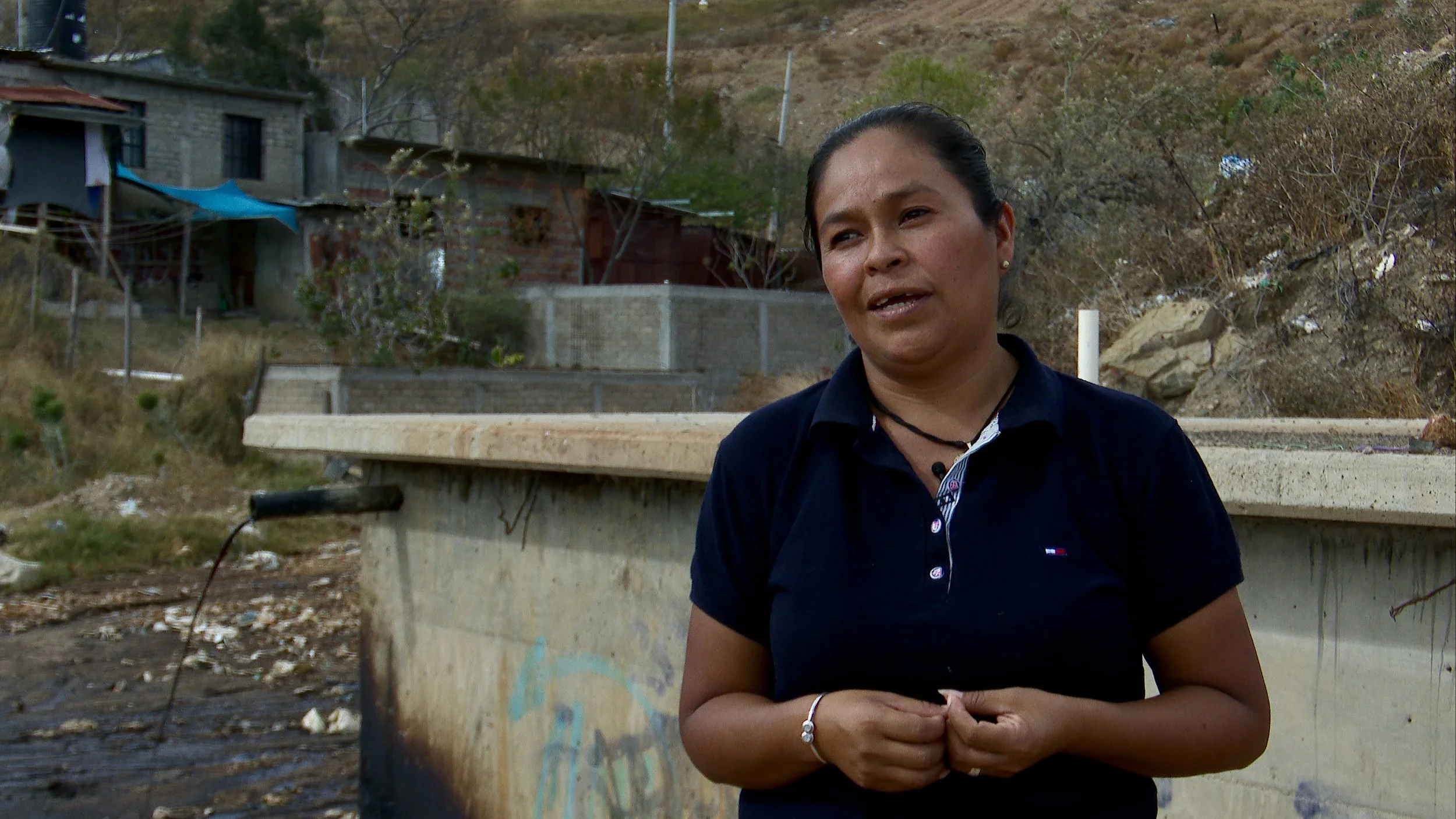
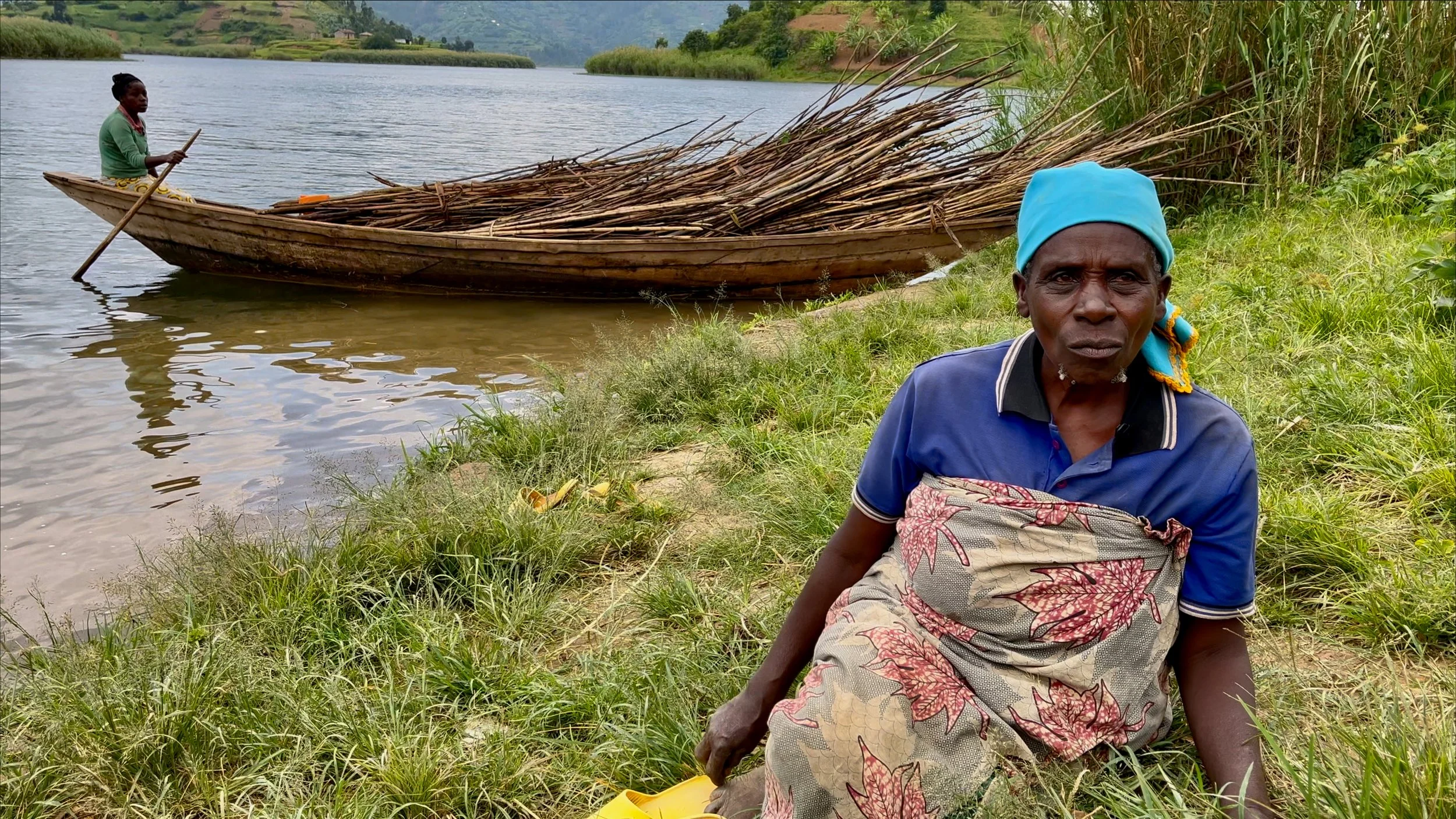
Over the course of 219 days, traveling to 21 countries in every corner of the globe, rooted in the belief that our last best hope lies in uplifting the voices of those long ignored, marginalized communities on the frontlines of the water crisis, The Struggle for Mother Water platforms courageous, determined women from around the world. They take us on a profoundly intimate journey, exposing the harsh realities faced by them, their children, their communities in the existential struggle to access clean, safe, reliable sources of water—and the urgent search for life-saving, sustaining solutions.
EPISODES
Part 1 — 52:00
“This is our only source of water.”
Part 1 introduces the viewer to the scope and diversity of locations and issues that comprise the multi-faceted global water crisis, with a deliberate focus on frontline, marginalized communities experiencing its existential consequences.
Themes: Realities on the Ground
Part 2 — 52:00
“The takers have to stop taking.”
Part 2 juxtaposes the United Nations’ 2010 declaration recognizing access to clean, safe drinking water as a human right with the realities on the ground in communities where more than 2 billion people—over 25% of the world’s population—still lack access to safe drinking water.
Themes: Need for Water · Water as a Human Right · Fighting for Access · Children
Part 3 — 52:00
“Be the water.”
Part 3 exposes the destructive impacts of unfettered extractive industrial exploitation and industrial farming, revealing how current practices disrupt the hydrological cycle, leading to devastating water shortages and contamination, contrasted with the voices of those whose love for water remains unshakable.
Themes: Impacts from Industry · Human Sprawl · Impacts on Farming · Industrial Farming · For Love of Water
Part 4 — 52:00
“Everything has changed.”
Part 4 reflects on the catastrophic environmental changes witnessed by elders—grandmothers and grandfathers—and how those changes have left future generations facing a world increasingly devoid of hope and opportunity.
Themes: Changes Happening
Part 5 — 52:00
“We will not be able to buy.”
Part 5 explores the consumer dimension of the water crisis, detailing how the private bottled water industry appropriates enormous quantities of public freshwater and sells it back for a profit, while contaminating marine and terrestrial ecosystems with billions of plastic bottles each year.
Themes: Plastic Bottled Water · Capitalism vs. Nature
Part 6 — 52:00
“We are getting disease from the water.”
Part 6 examines the health consequences faced by communities forced to consume contaminated water, transforming water from a source of life into a conduit for disease, and reveals the emotional toll on those on the frontlines fighting to protect and defend it.
Themes: Impacts on Health · Emotional Toll
Part 7 — 52:00
“Being one — nature and man.”
Part 7 uplifts the deep, enduring relationship Indigenous Peoples have with the natural world, emphasizing stewardship, responsibility, and traditional knowledge as essential to repairing humanity’s relationship with the rest of creation.
Themes: Indigenous Peoples · Accessing Water · Doing What We Can
Part 8 — 52:00
“We came from water.”
Part 8 centers on the sacred bond between women and water, proferring this intrinsic connection as a guiding force toward a more sustainable, respectful, and reciprocal future for coming generations.
Themes: Women–Water Connection · The Way Forward · Closing Gallery
Director's Notes
When we journey to distant planets, searching for signs of life, we are seeking to find the presence of water molecules (H2O), because that will mean the remote location being explored has the ability to sustain life. Water is life. Without water there is no life.
As I traveled around North America in 2022 and 2023 with The Issue with Tissue – a boreal love story, audiences would ask: “What’s next?” The subject of water kept coming up. Inspired by these conversations, the research I did revealed the scope of the crisis and that immediate attention needed to be drawn to the impending emergency.
I knew that in telling this story — how the water crisis is impacting our human family and the rest of creation — it was essential to try and capture as many of its manifestations as possible. I purposefully set out to circumvent anyone saying it’s only happening in this one location or it’s only because of this one specific reason.
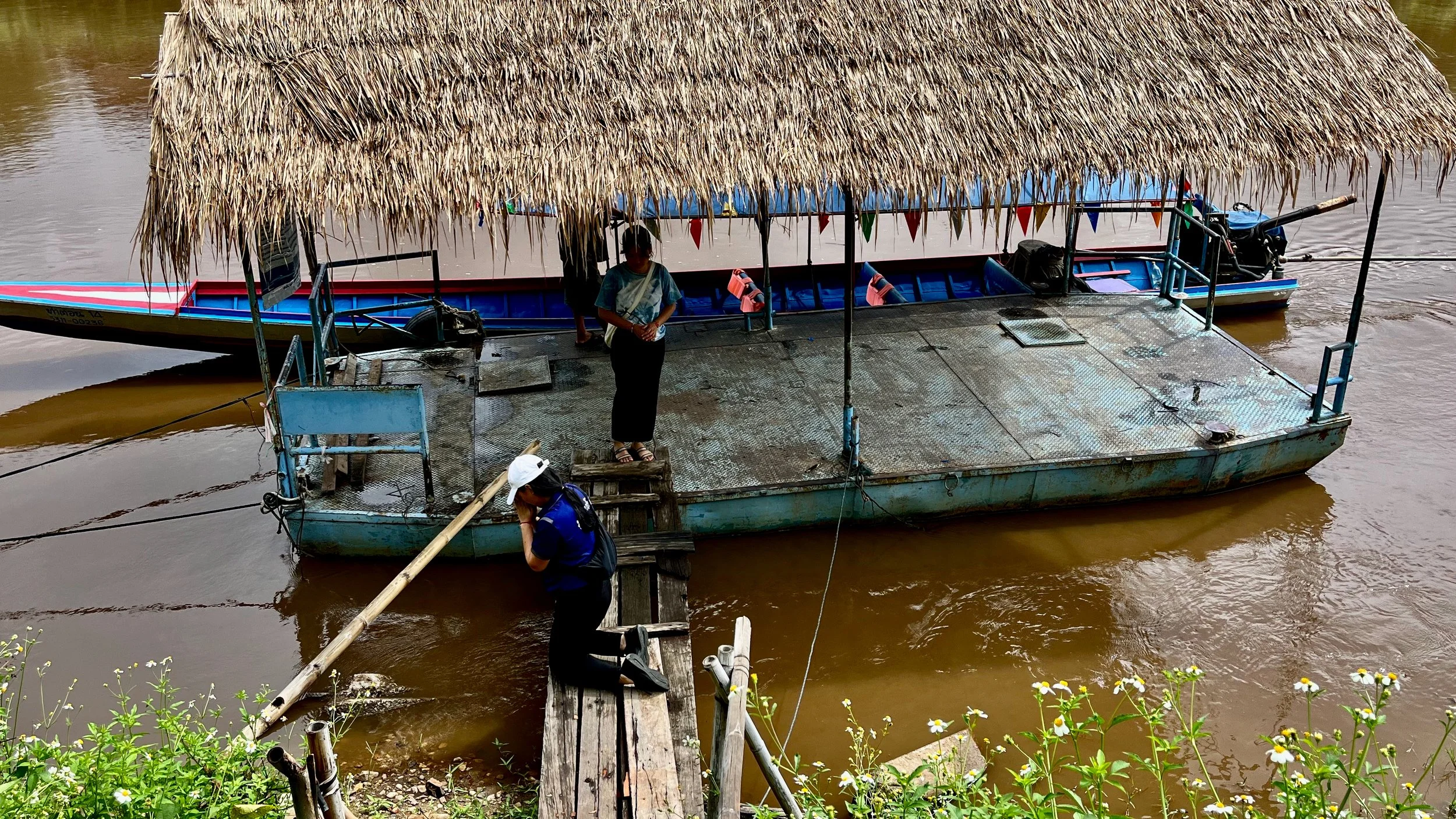
219 days on the road, traveling to 21 countries in every corner of the globe (Mexico, Colombia, Bolivia, Paraguay, Brazil, Chile, Cameroon, Rwanda, Uganda, Ethiopia, South Africa, India, Indonesia, Thailand, Portugal, Spain, Italy, Switzerland, France, Canada, and the United States), meeting with communities on the frontlines of the water crisis, witnessing far too often the deeply disturbing reality of children and women fetching clearly contaminated, tainted water.
In community after community, country after country, I saw long lines of stain-covered, yellow jerry cans assembled in rows, waiting to be filled with dirty, brown water, primarily by children and women. Early on I knew that our story of water needed to be carried by those marginalized, frontline communities — that uplifting the voices of those who are too often ignored, would have to be our guiding principle.
Another early discovery was that women in cultures all over the world are the ones leading the fight to protect and defend water. Everywhere, women are charged with the responsibility of ensuring that their community, their family, has the water they need — for drinking, cooking, cleaning, and bathing. Because of this culturally assigned responsibility, women know precisely what the troubling conditions are concerning water. They therefore hold the primary storytelling role in our documentary.
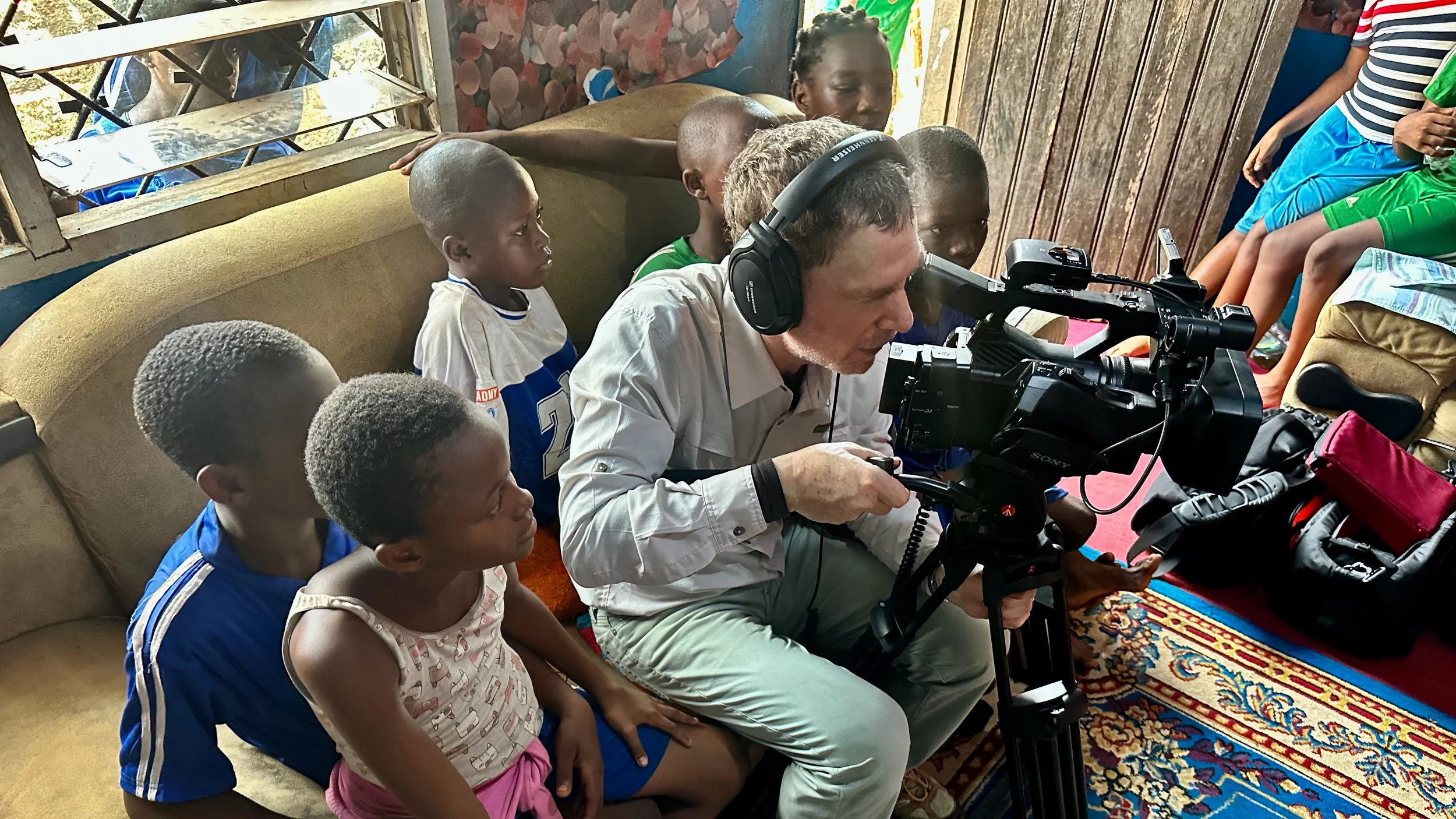
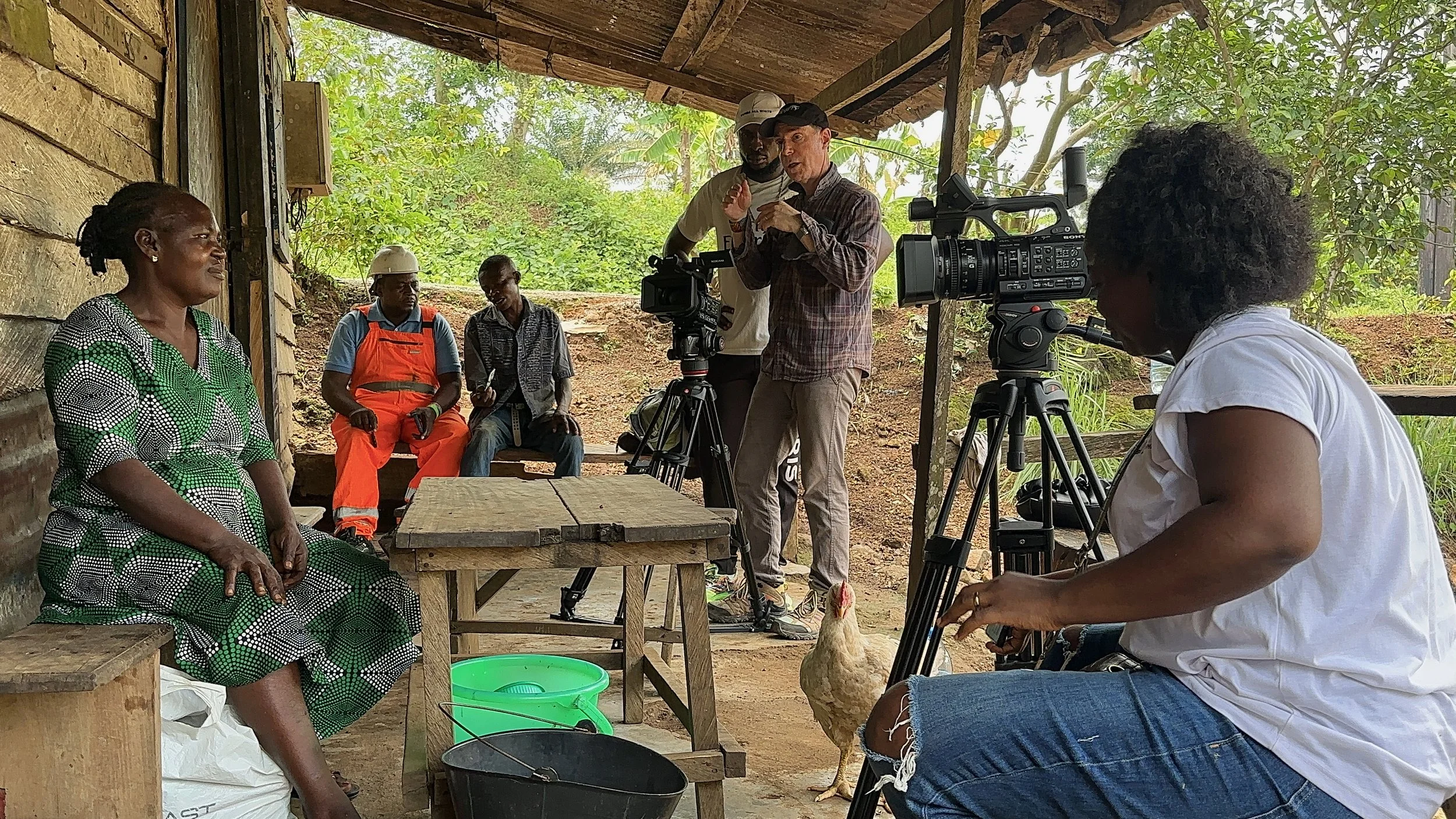
During my months of research, I was led to eight brilliant women — women from every corner of the globe — who share the writing credit, as they were the ones who guided us into the communities we visited, often translating our interactions. In every area I traveled to, one of these eight women collaborators, with a connection to the language, the country, the culture, and the community, joined me as an indispensable partner. Without them, the documentary would not be possible.
It is said that the wars of the 20th century were fought over oil, and that the wars of the 21st century will be fought over water. More than 2 billion members of our human family do not have access to clean, safe drinking water, and almost 4 billion do not have access to reliable, functional sanitation. By 2030, it is estimated that the need for fresh water will exceed what’s available by 40%. We currently face an existential emergency that is only going to worsen.
Our documentary is lovingly dedicated to all those who opened their hearts and shared their stories with us — to those who embody, every day, a courageous and inspiring fight to protect and defend water. It is to the remediation of their water struggles that this documentary is dedicated and meant to serve.