
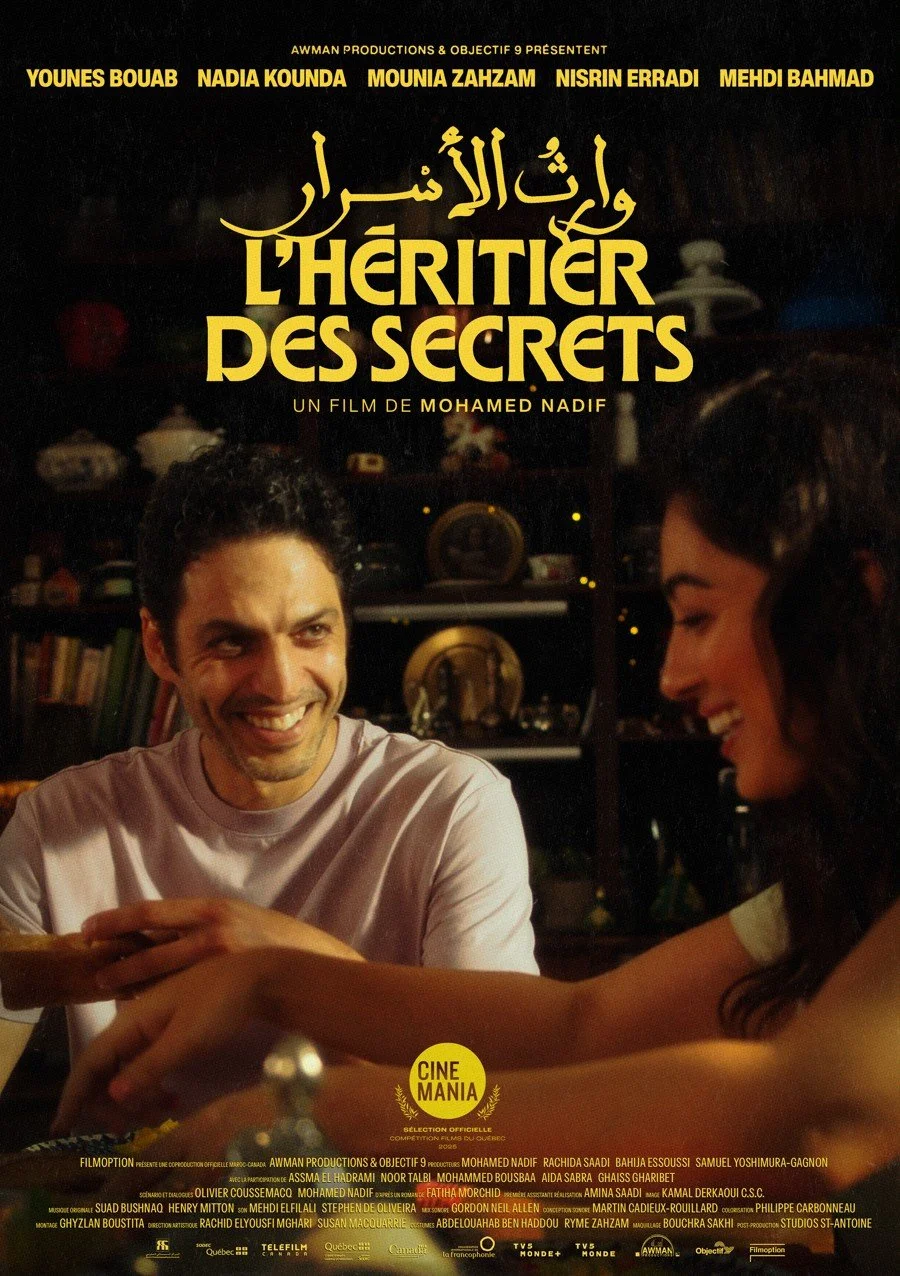
Morocco – Canada | 109 min. | French and Arabic | English subtitles
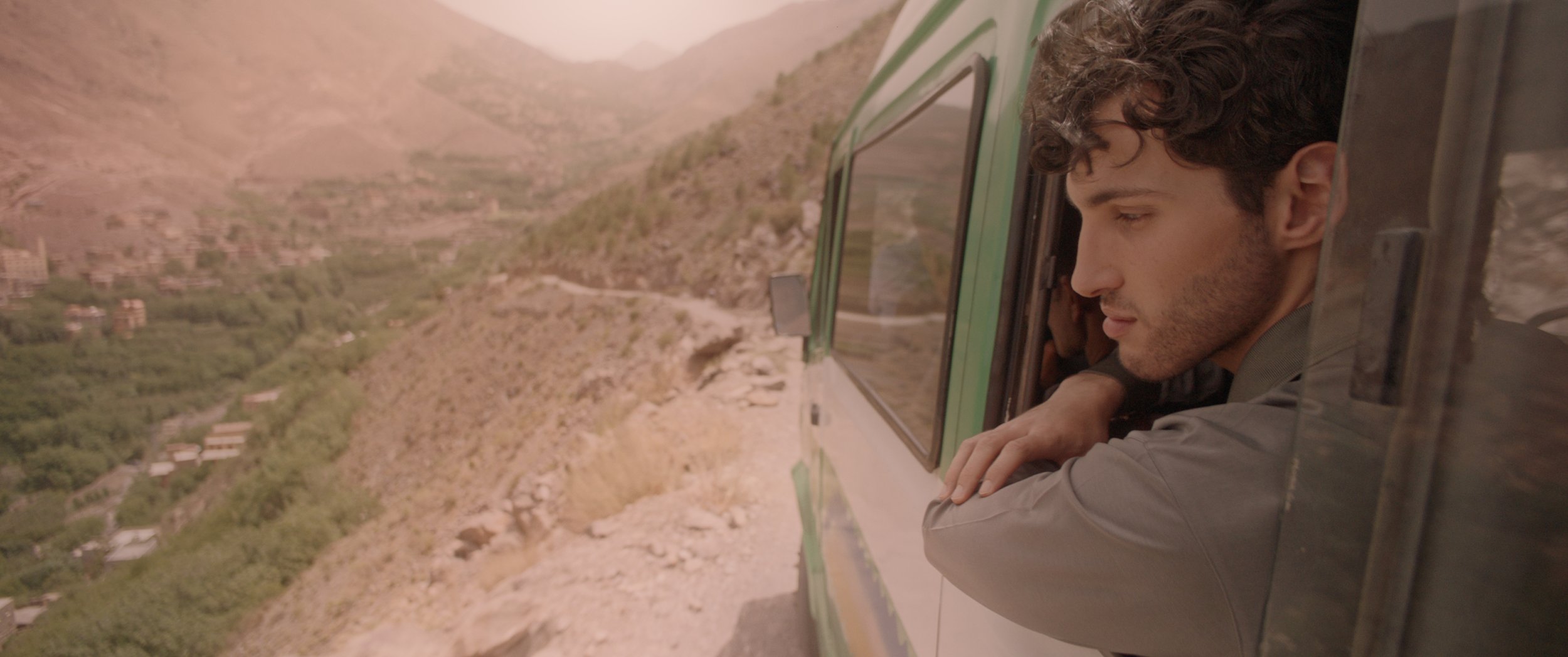
Farid is four years old when his beloved father disappears. Rumor has it he fled Morocco for another woman. Farid grows up in that absence, marries the beautiful Sofia, and builds a promising career. Then a letter arrives from Montreal. The truth comes out: it was his mother who drove his father away — not for another woman, but because he longed to become one. Farid then sets out to finally meet the lost parent he had so deeply idealized.
Starring — Younes Bouab, Mounia Zahzam, Nadia Kounda, Nisrin Erradi, El Mehdi
Directed by — Mohamed Nadif
Written by — Mohamed Nadif, Olivier Coussemacq
Cinematography — Kamal Darkaoui
Editing — Ghyzlane Boustita
Music — Suad Bushnaq, Henry Mitton
Produced by — Mohamed Nadif, Rachida Saadi, Samuel Gagnon, Bahija Essoussi
An Awman Productions film in coproduction with Objectif 9






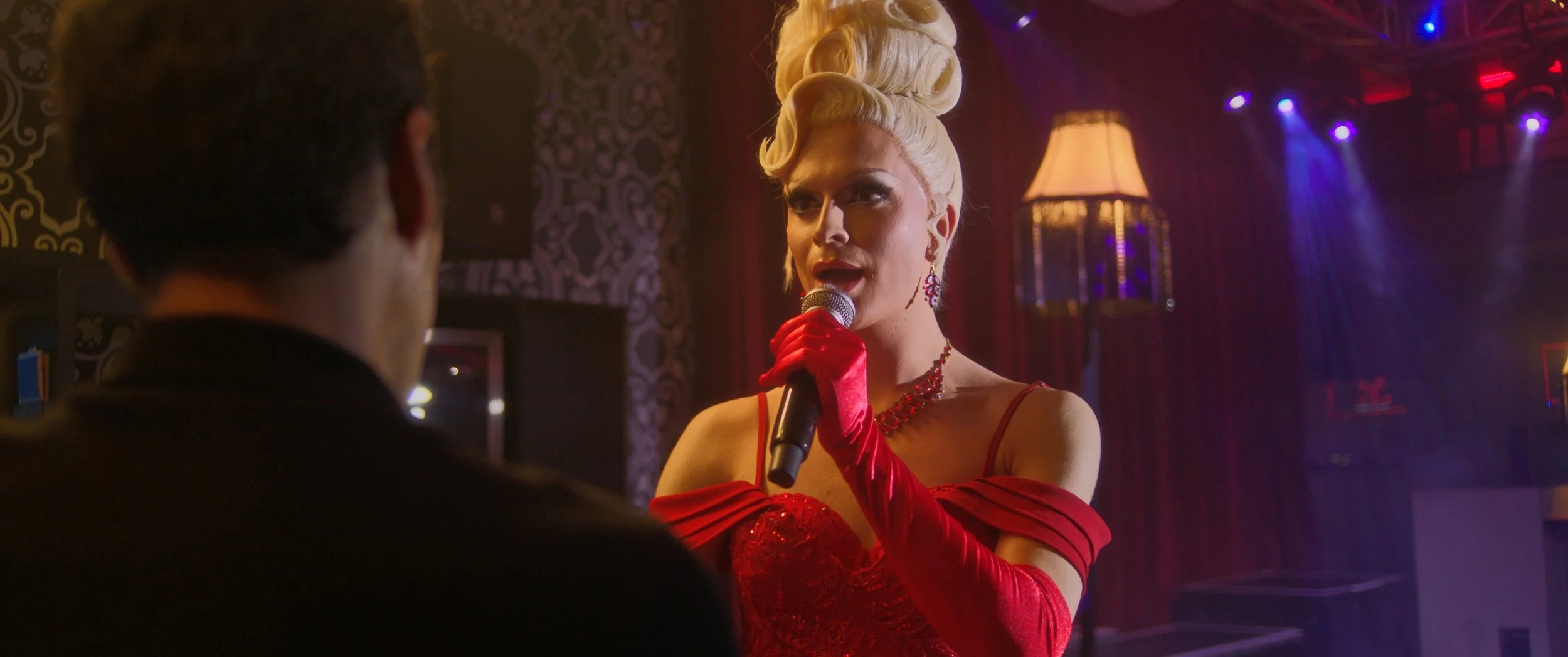
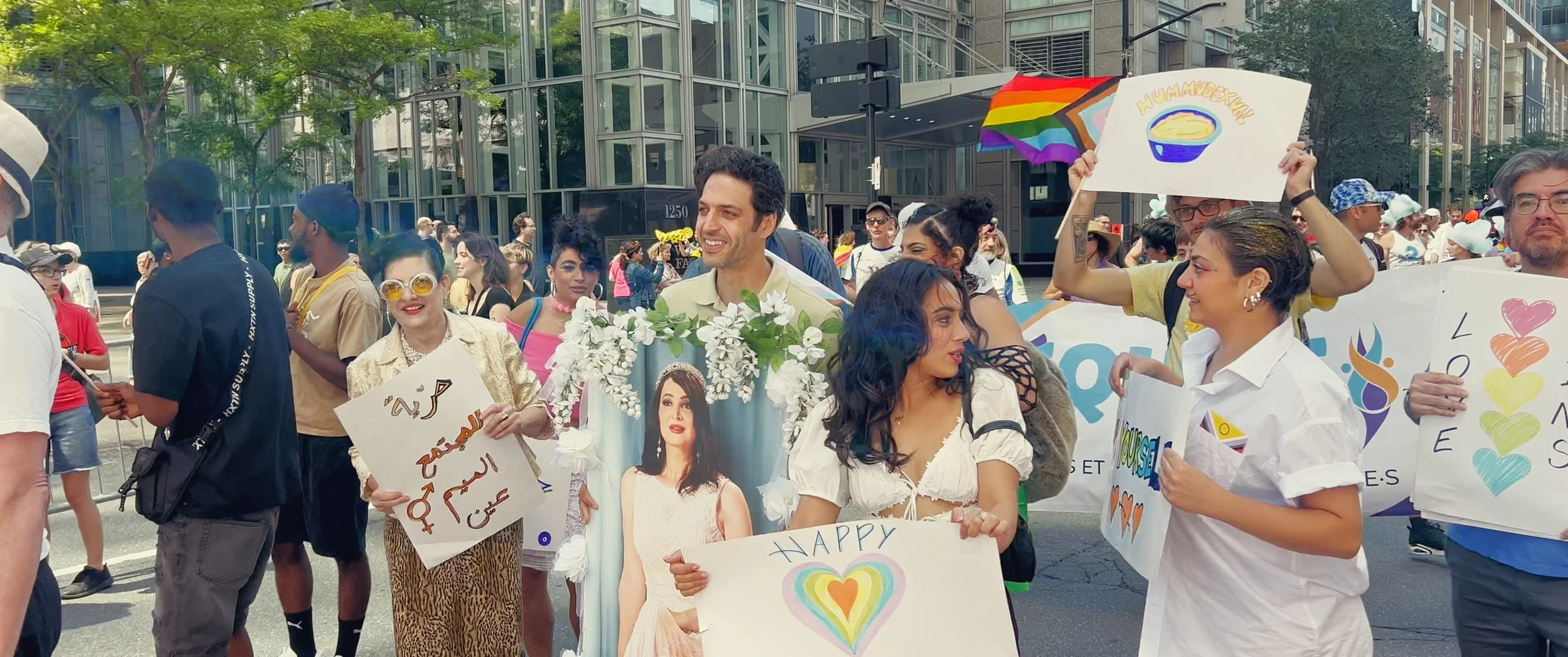
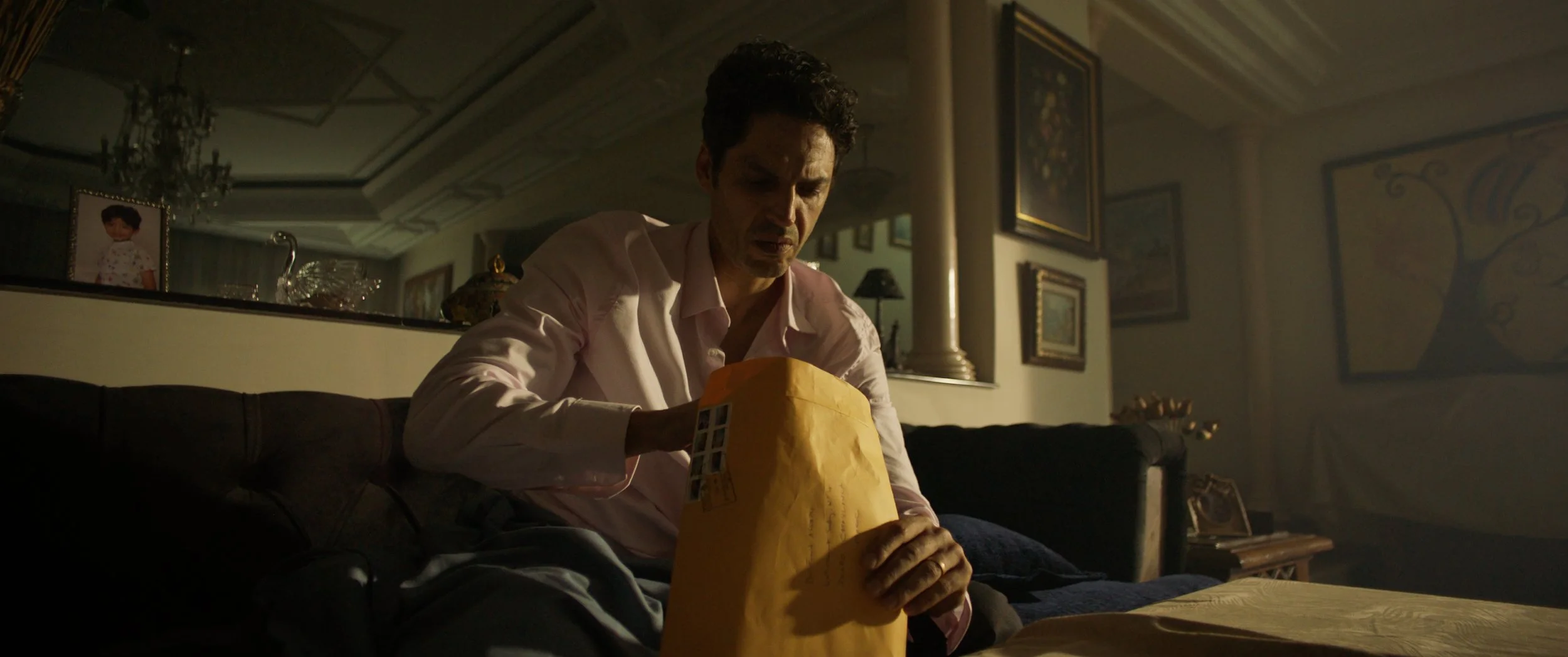
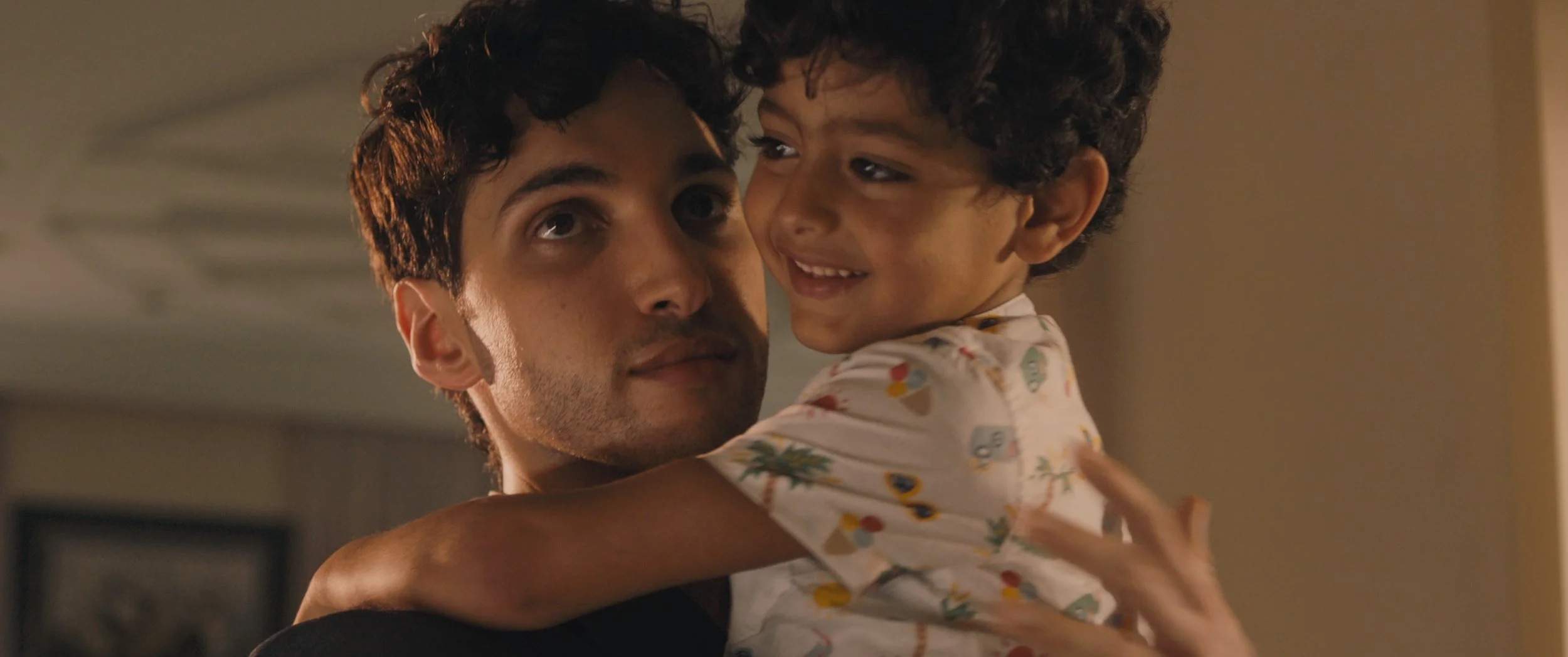
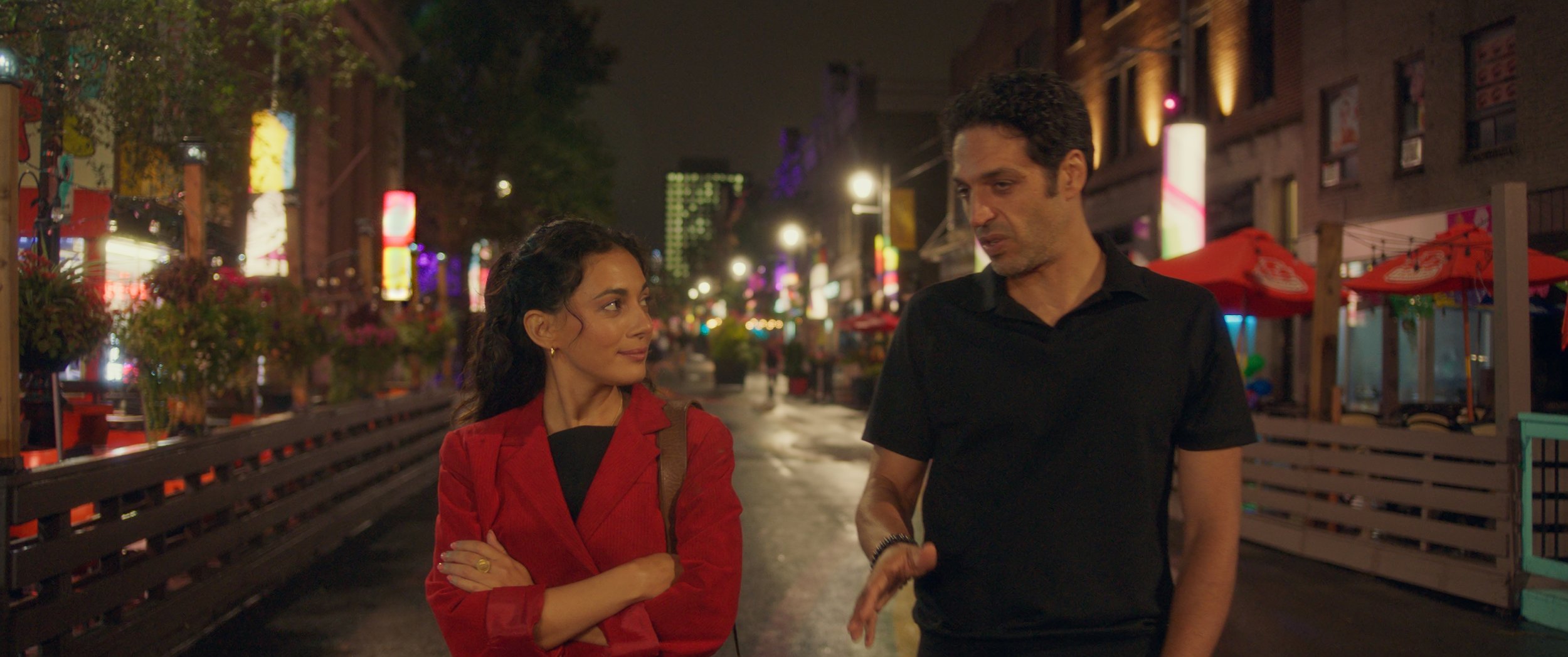
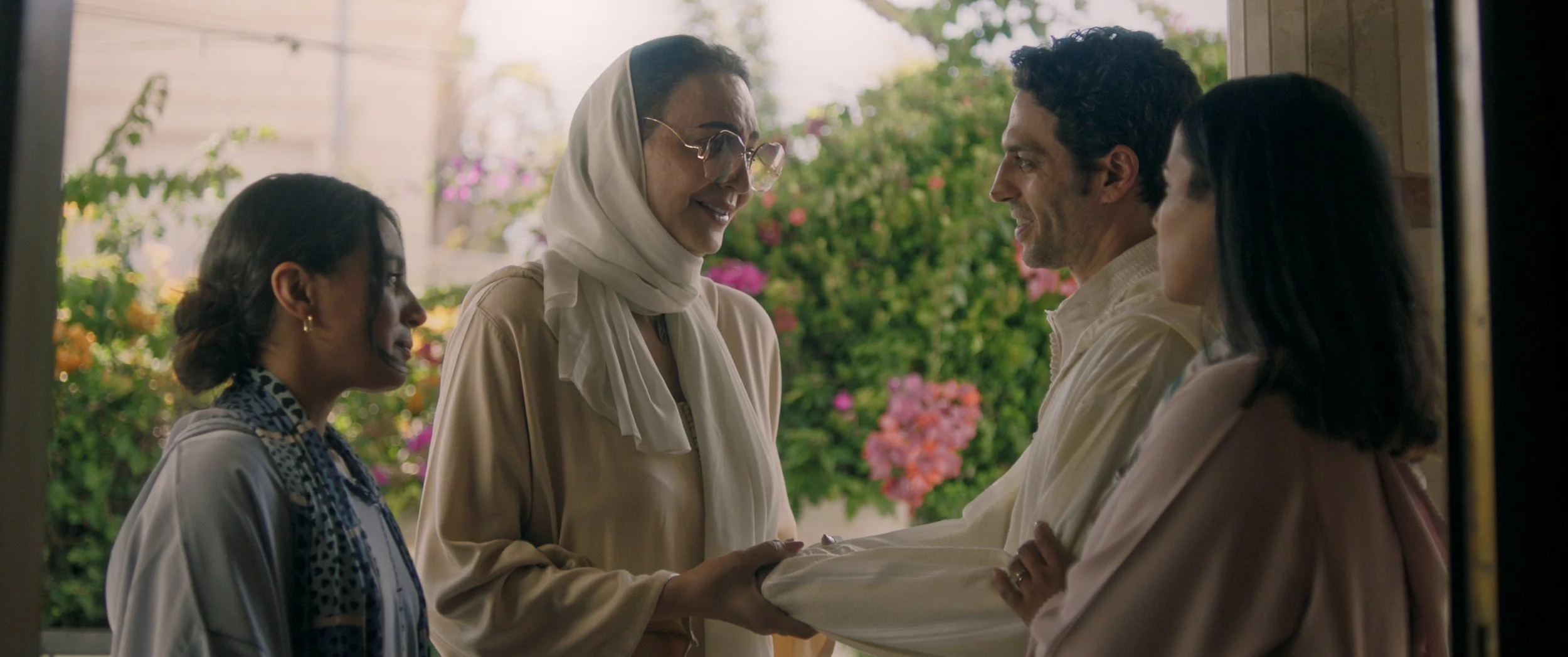
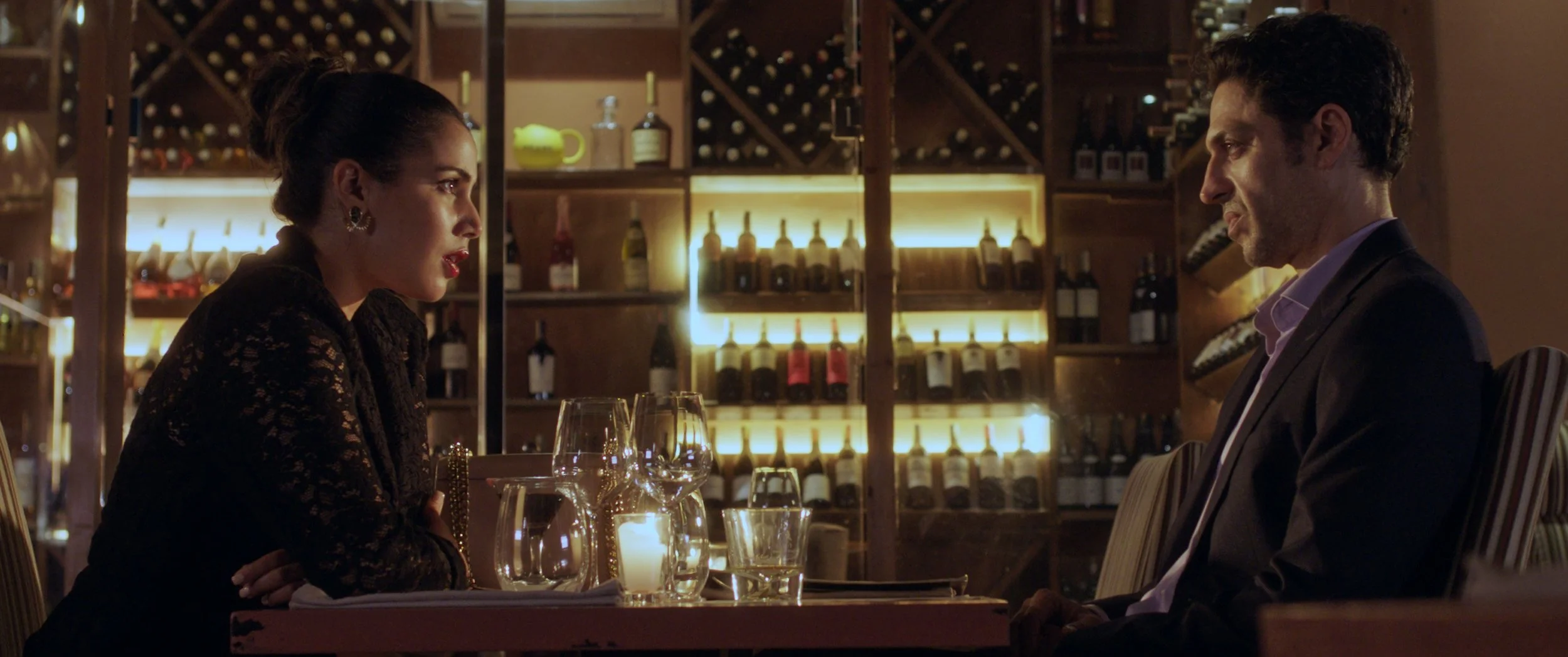
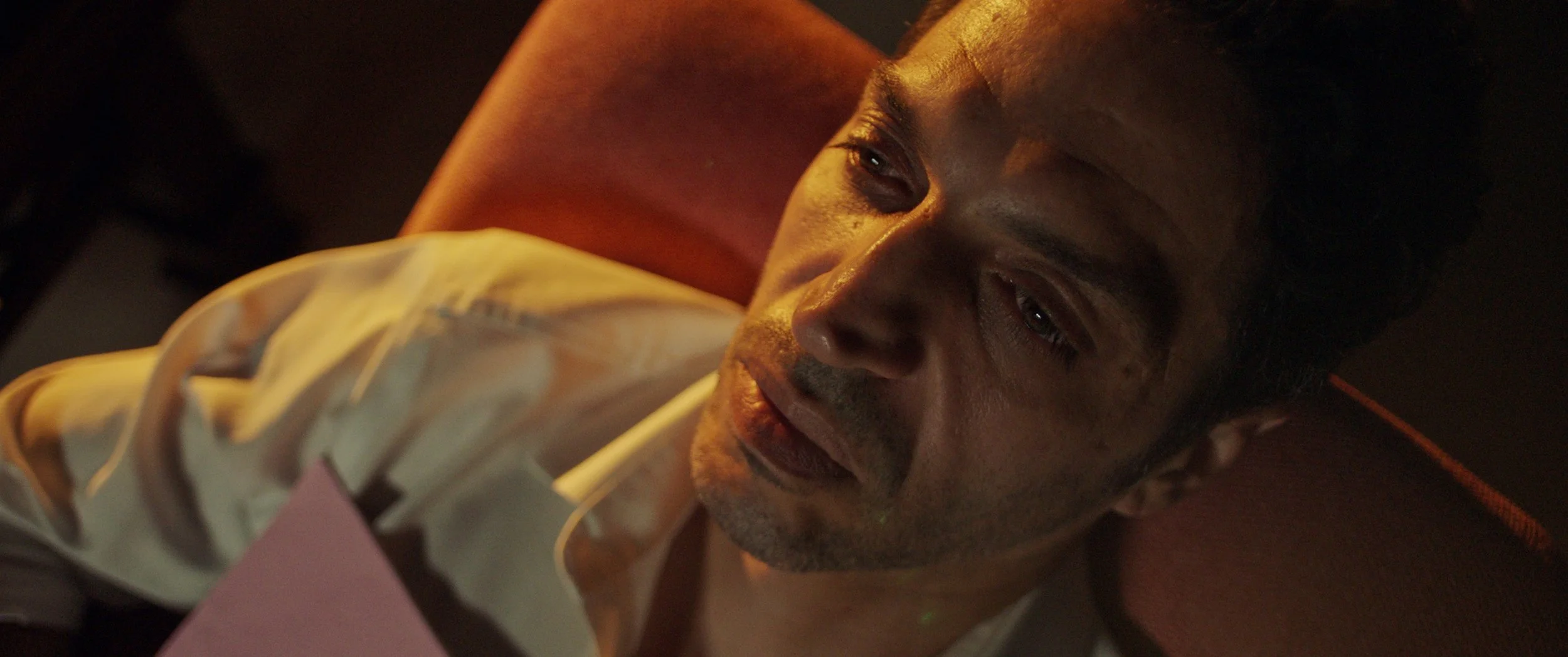
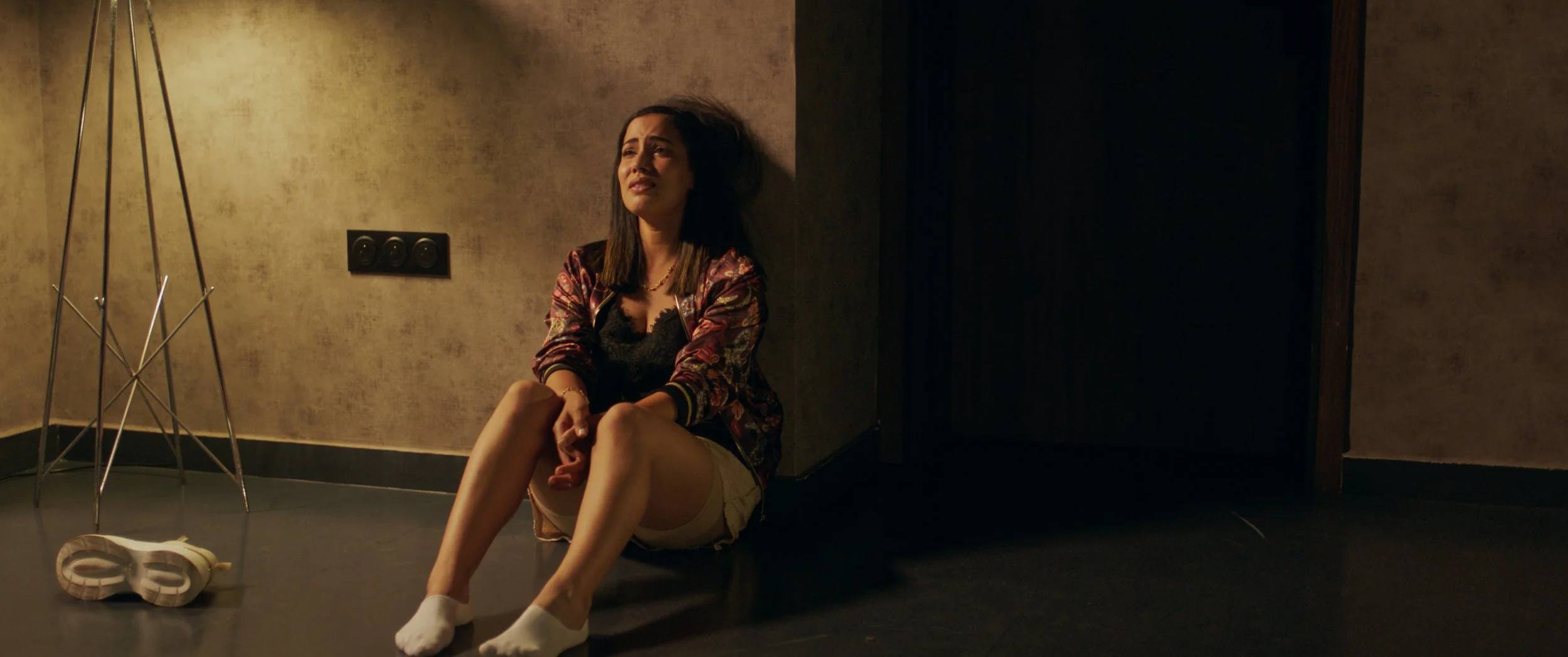
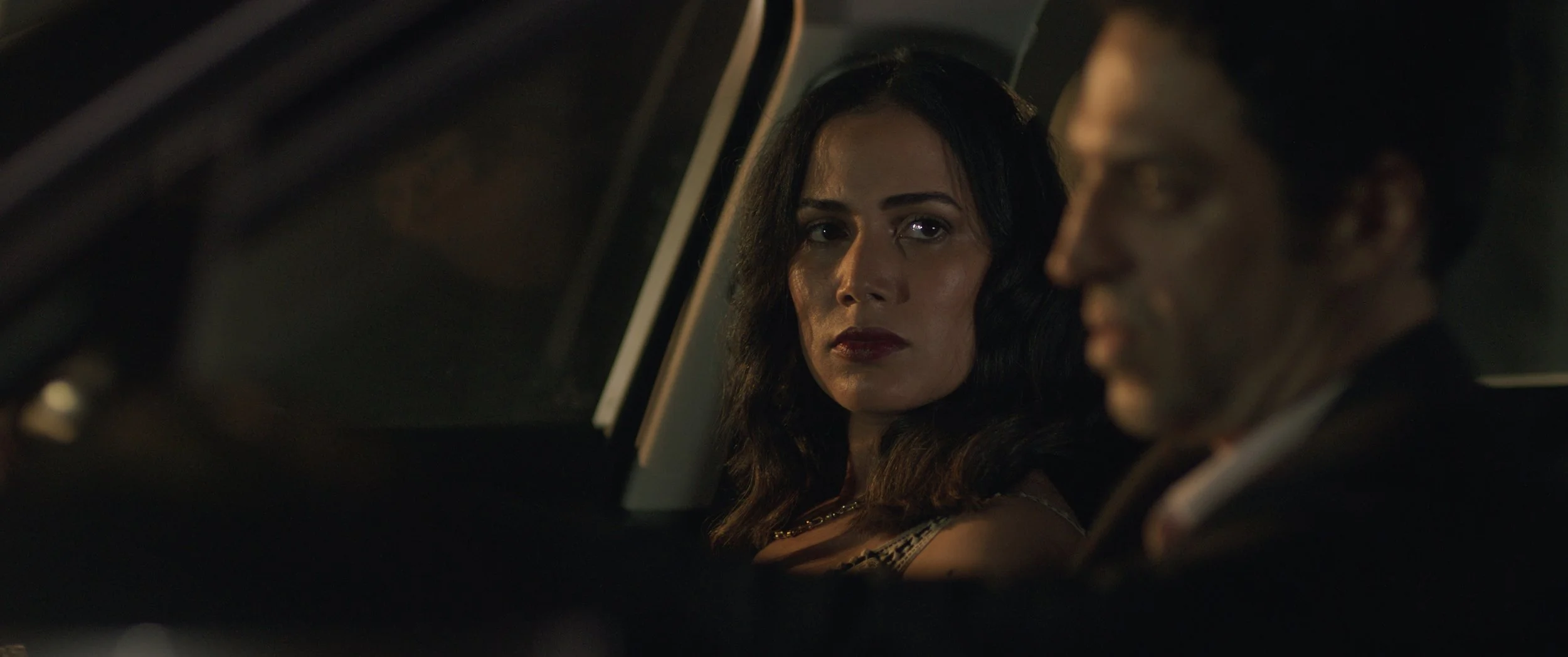
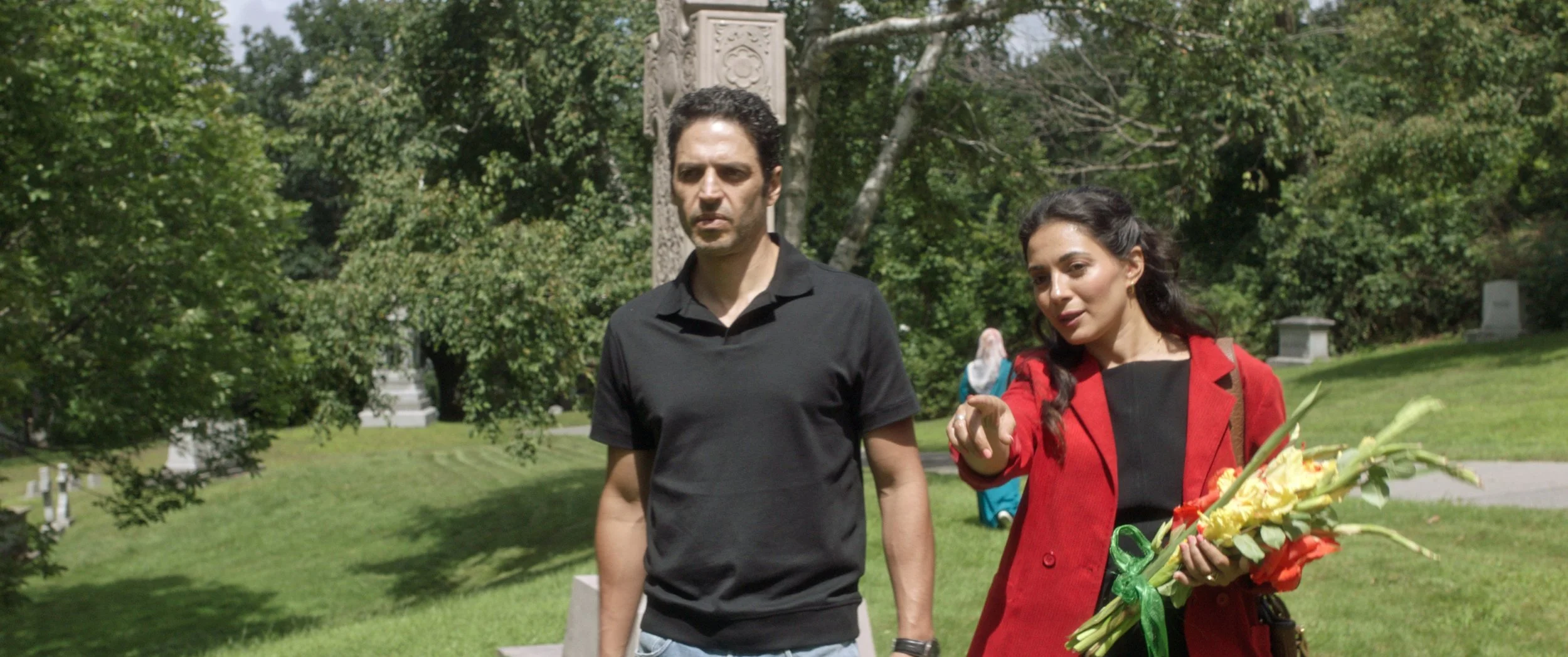
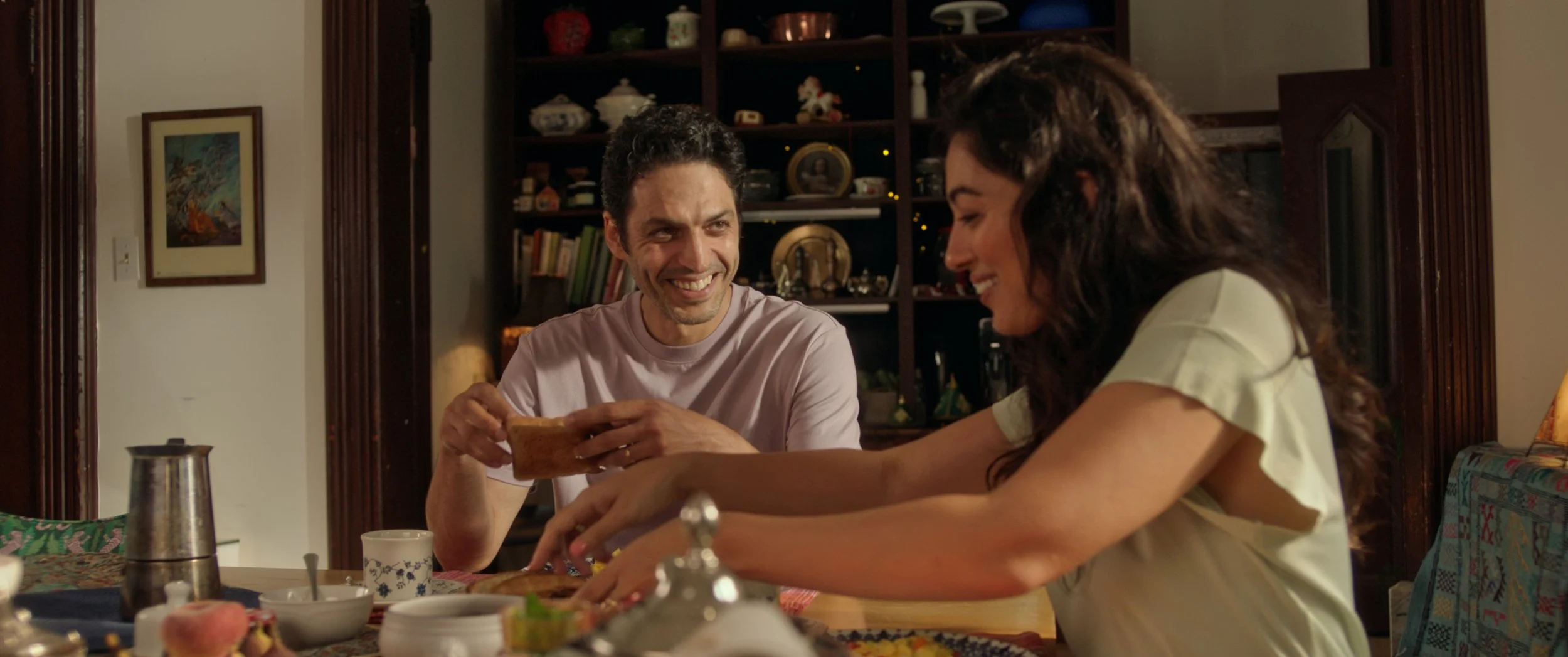
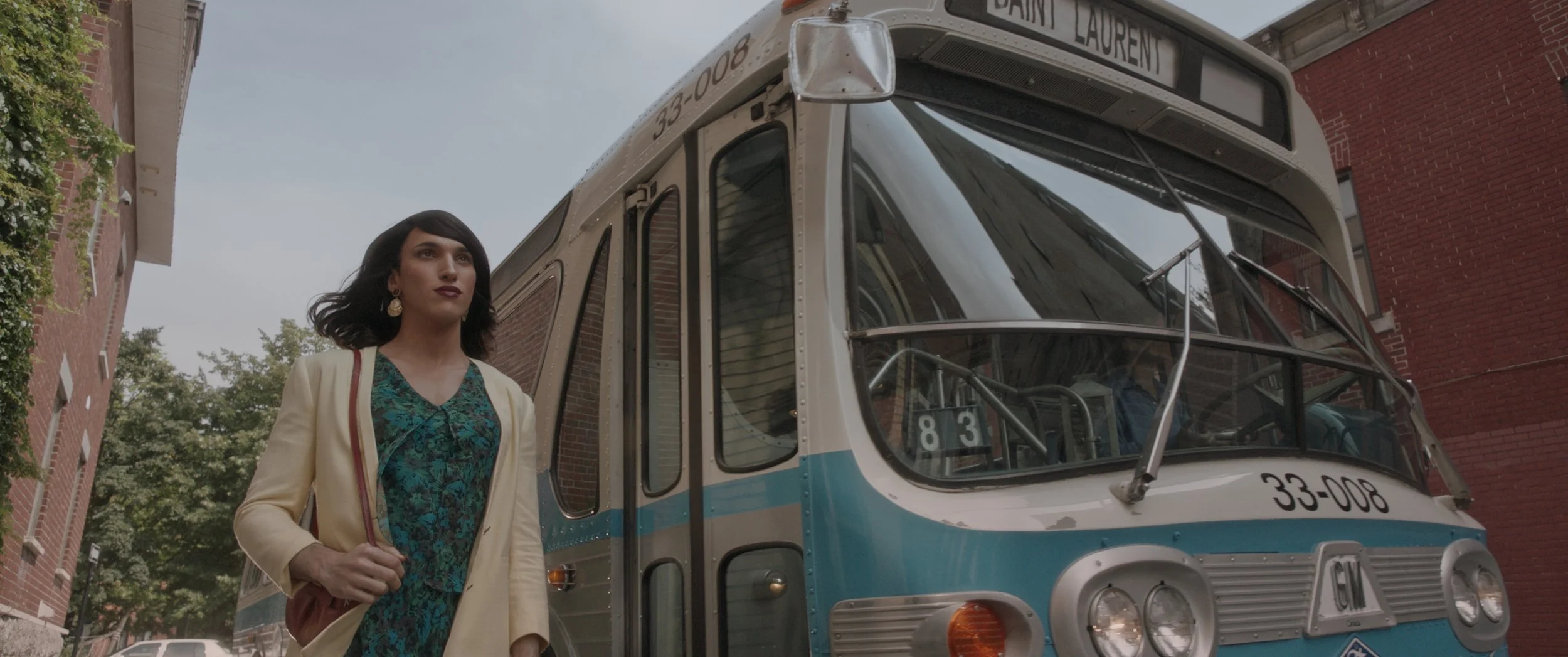
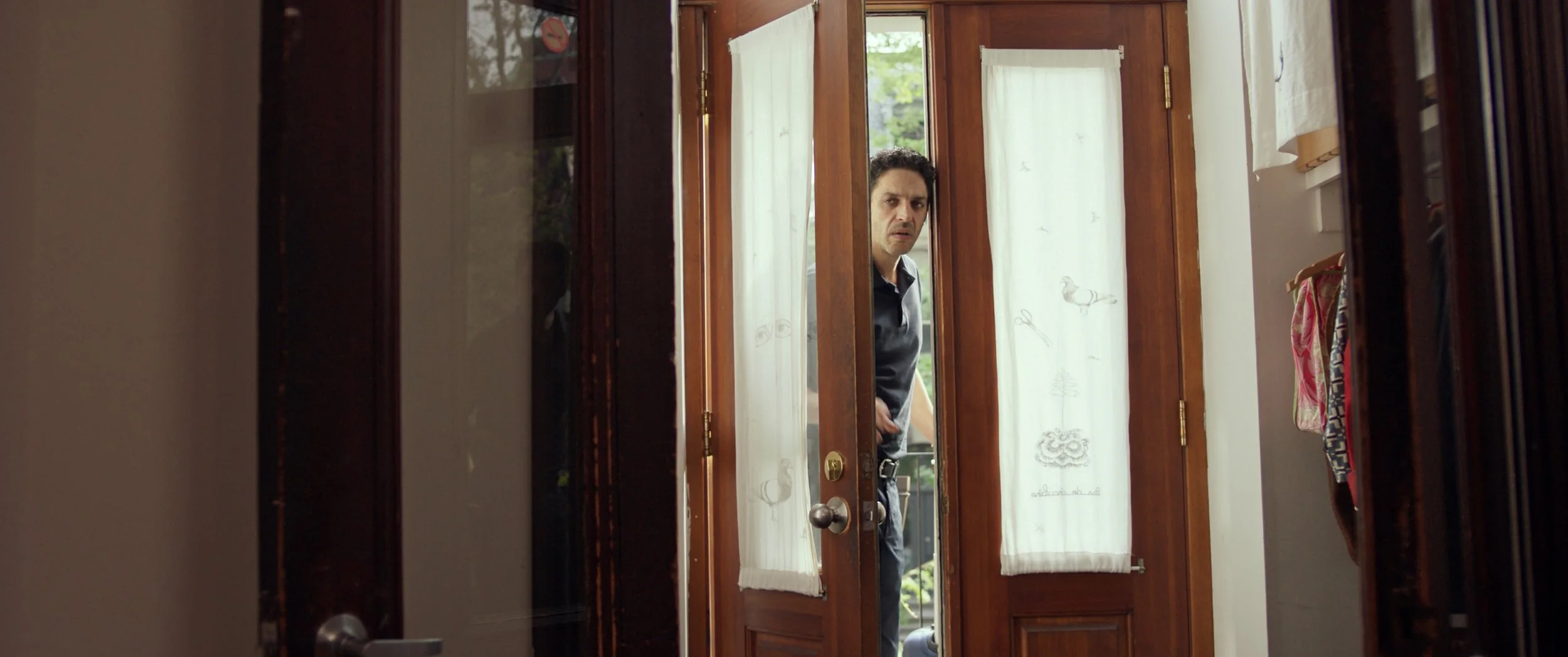
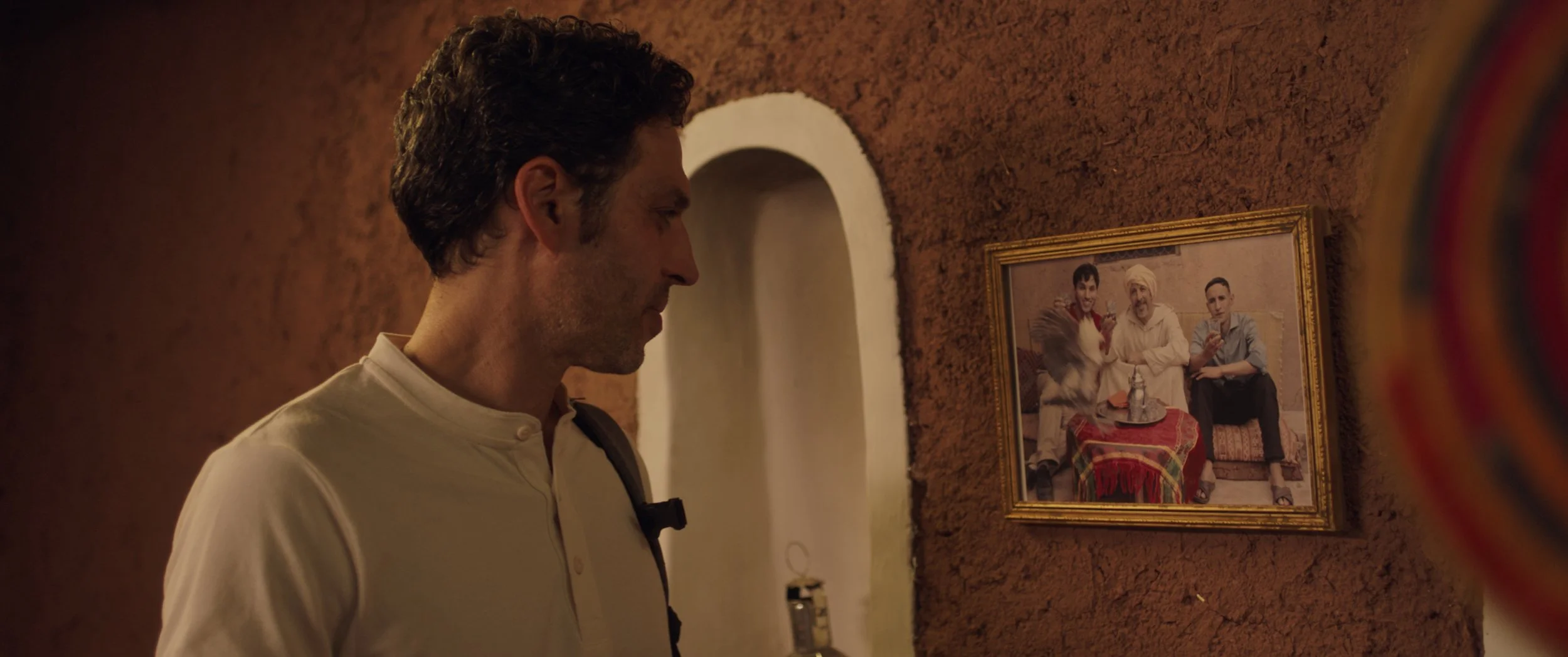
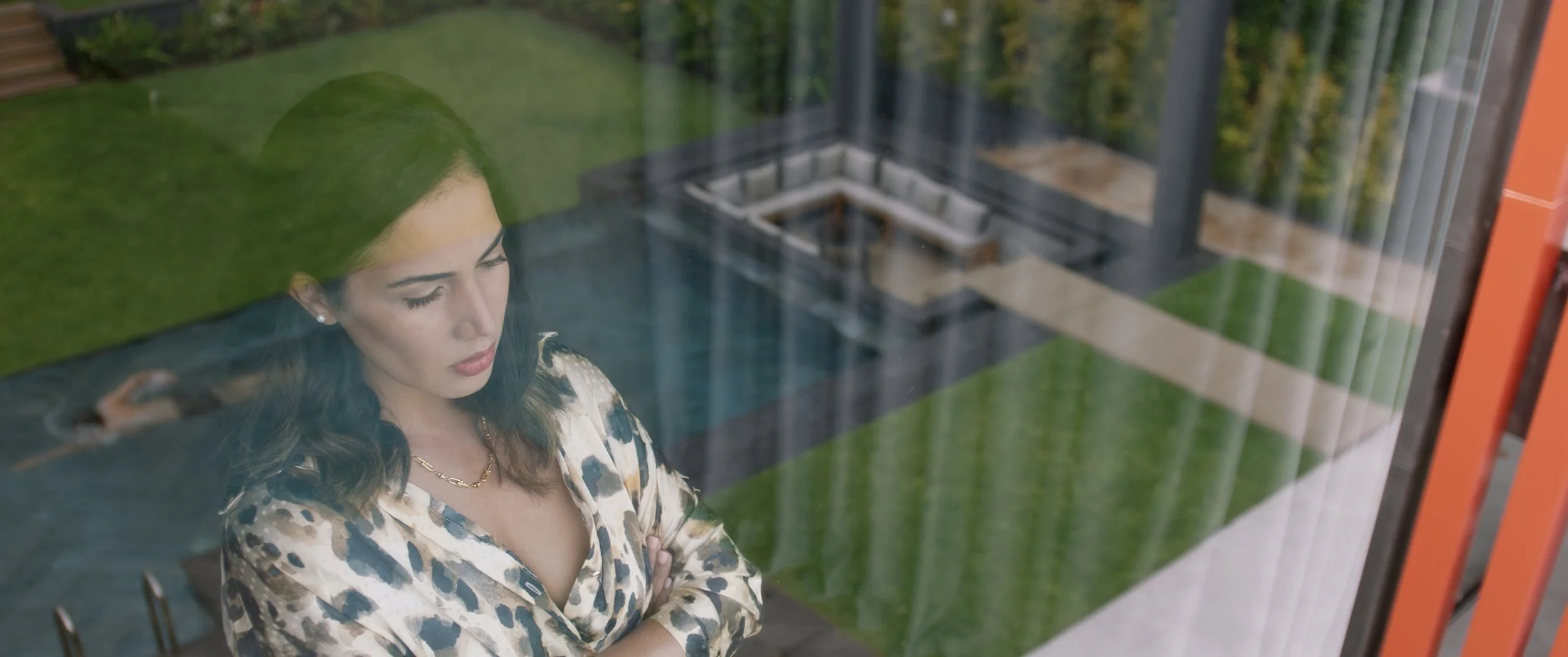
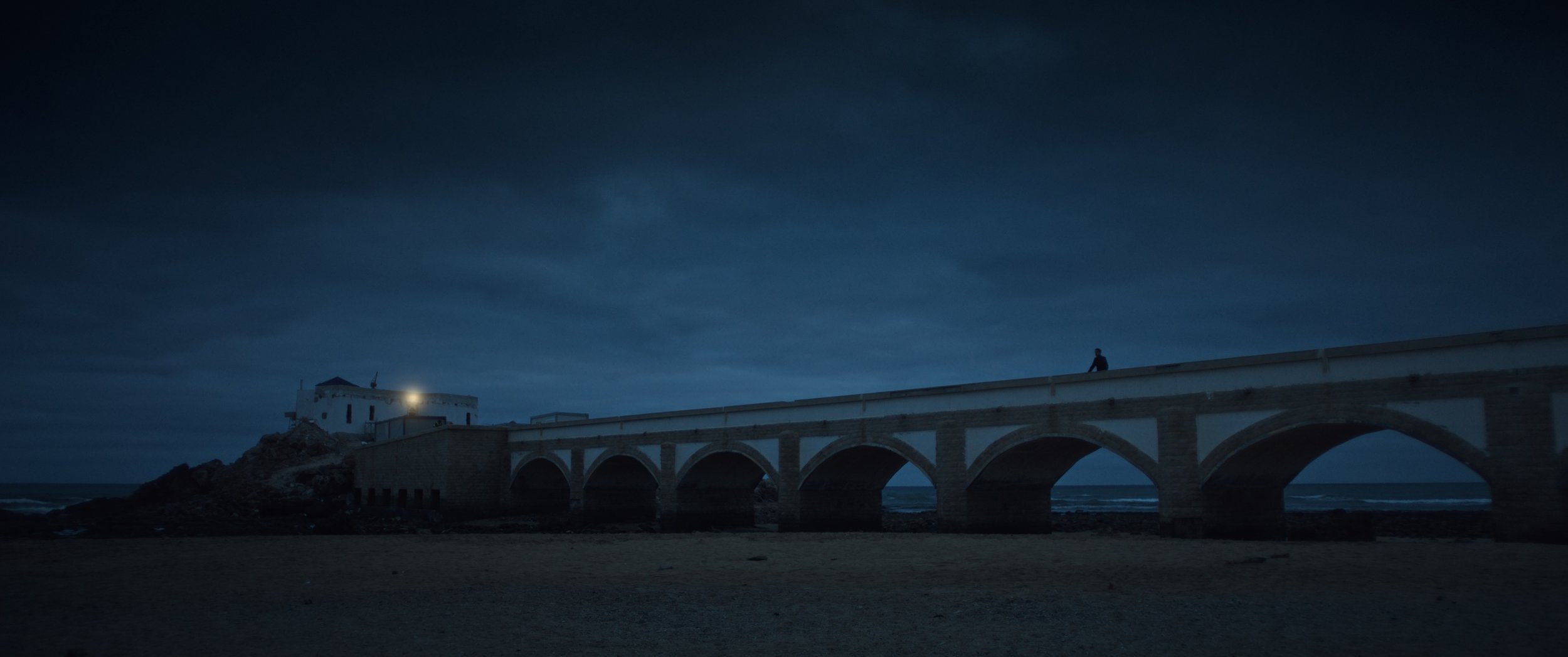
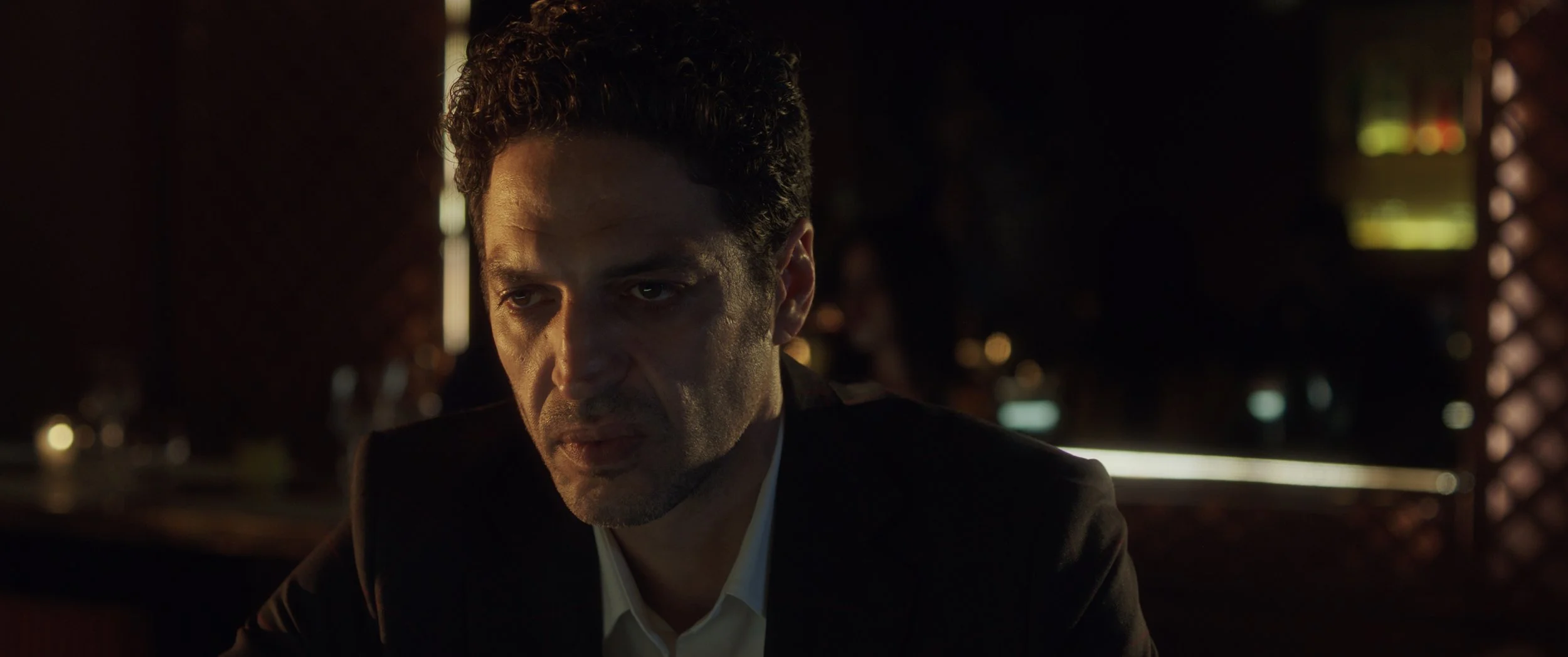
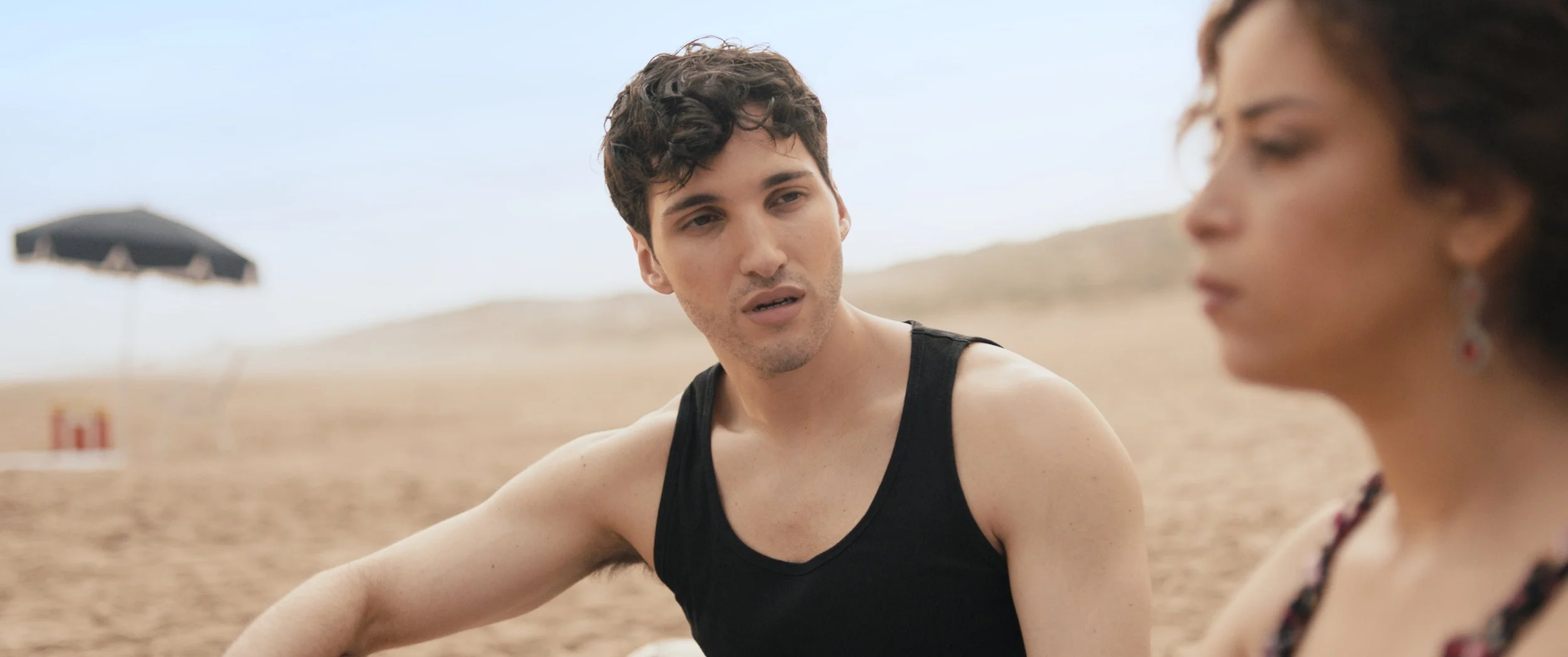
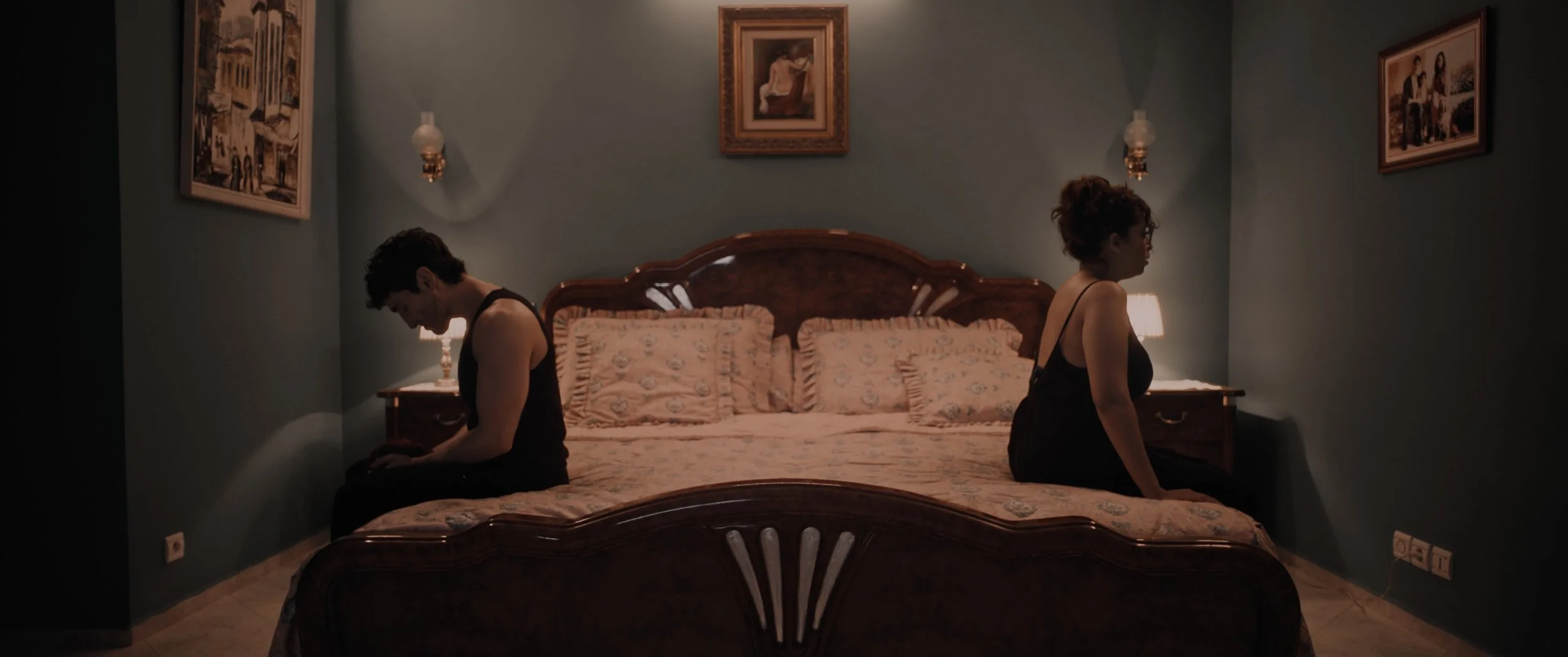
Notes from the filmmaker
"Your father left us for another woman, my son." It was in Casablanca, in 1988. Farid was three years old. He would never know more about his painfully absent father, not until this letter from Canada arrived, forty years later:
...It’s true, I left for another woman. But not the one you imagined. The woman I left your mother for, my dear son, was one imprisoned inside me, whom I had to free or else I would die.
The proposal of Fatiha Morchid, author of the novel in Arabic "In'itâq Ar-Raghba" (“Emancipated Desire”), of which we present a liberal adaptation, is audacious, disturbing, and generous. To be deprived of a father for forty years, until he finally remembers you, is one thing, but to tell you he has turned into a woman. That is a challenge, particularly since the more atypical qualities of human beings and their differences can often provoke incomprehension, fear and rejection.
In a conventional society that is curious about the other, but suspicious of any singularity to the point of tracking it down, is it possible to let one's truth blossom when it is so different? Should one flee, convince, be accepted, or impose oneself? To lie or to remain silent, to hurt only oneself?
From the point of view of Amina, Farid's mother and an abandoned wife, there is no doubt: her husband Azzeddine should have confessed his desire to be a woman from the very beginning of their relationship so that she could have chosen whether or not to become a wife and mother with him, without being exposed to the social shame of an unspeakable truth. But how could any truth be unspeakable, or give rise to shame?
Our approach to such a subject aims to open up gentle questioning and understanding rather than to push through formatted answers and a new normality in a brutal gesture that would only widen the gap between irreconcilable points of view. The world of cinema allows us to put ourselves in the position of the other without too much risk, and consequently to understand that person’s perspective.
“The Heir to the Secrets” does not intend to be a dry, societal thesis. Anxious to offer the public thought-provoking, enjoyable material they could identify with, it is above all a great human adventure that we provide. Told from the point of view of the secret pain of a fatherless child, his reunion with his father, who has become a woman, is also an opportunity to talk about generosity and love in various forms. It is a fresco full of hope and humanity.
Mohamed Nadif / Director, Writer, Producer
Mohamed Nadif, graduate of ISADAC (Morocco) and University Paris-X, began his career in theater as an actor and director before transitioning to cinema. He appeared in numerous films, then founded Awman Productions, directing and producing " Andalousie, mon amour ! " (2011) and " Les femmes du Pavillon J " (2019), as well as shorts " La jeune femme et l’ascenseur " (2005), " La jeune femme et l’instit " (2007), and " Jeune femme et l’école " (2009). As producer or executive producer, mainly in France, he supported first and second features including Margelle and " Un été à Boujaad " by Omar Moudouira, " Entre deux eaux " by Patrice Cordonnier, Tazzeka by Jean-Philippe Gaud, and Nomades ou Naima et ses fils by Olivier Coussemacq. His upcoming feature, " L’héritier des secrets ", co-written with Coussemacq, is loosely adapted from a novel by Moroccan author Fatiha Morchid.